Latest AI News
The most comprehensive AI news feed on the internet -- curated by Matt Wolfe
*News may update slower on weekends and when Matt's traveling
Get This In Your Inbox Twice a Week
Wednesday, June 24, 2026

A federal class action lawsuit filed in California alleges that Kalibrate, a Manchester-based fuel-pricing software platform operating in over 70 countries, enabled gas station chains including Marathon and Circle K to illegally coordinate prices in violation of state antitrust law. Plaintiffs claim the AI software discourages undercutting rivals and includes a feature allowing stations across an area to simultaneously raise prices. The case follows California Governor Gavin Newsom signing legislation affirming antitrust rules apply to pricing algorithms. Kalibrate has not commented.

At its annual Config 2026 conference, Figma announced several AI-powered design and coding tools. New features include AI-generated motion graphics, letting users create animations and transitions by describing them in a chatbot interface, and shader effects powered by WebGPU that enable dither, pixelate, and blur treatments. Code layers allow developers to work directly with code on the Figma Design canvas, clone repositories, and sync changes back. Figma Weave integration brings over 20 AI workflow tools to the canvas.

Google is rolling out a "Select from screen" feature in Chrome 149 that lets users highlight text or images on a webpage and send them directly to Gemini for contextual assistance. Accessed via the "+" menu in Gemini's Chrome panel, the tool works like a built-in screenshot selector. Separately, Google also launched computer use capabilities through Gemini 3.5 Flash, enabling AI agents to act across browsers, mobile apps, and desktop environments for multi-step tasks like software testing and enterprise workflows.

Google has integrated computer use as a built-in tool in Gemini 3.5 Flash, previously only available as a standalone Gemini 2.5 model. Developers can now build agents that see, reason, and take action across browser, mobile, and desktop environments, enabling enterprise automation tasks like continuous software testing. Safety features include adversarial training and optional enterprise safeguards requiring user confirmation for sensitive actions. Access is available via the Gemini API and Gemini Enterprise Agent Platform.

Perplexity has launched Computer for Counsel, an AI tool for legal professionals that connects research databases, document repositories, contract tools, and matter-management systems to Perplexity Computer. Powered by 20+ frontier AI models, it handles research, document gathering, and contract triage so lawyers can focus on core legal work. Premium integrations include Midpage for case law, Deel for employment compliance, and LegalZoom for contract templates. It works within Microsoft 365 and Google Workspace and is available to Enterprise and Max subscribers.
OpenAI and Broadcom have unveiled Jalapeño, OpenAI's first custom AI inference chip, designed specifically for LLM workloads. Developed in just nine months with partners Broadcom and Celestica, the chip delivers performance per watt substantially better than current state-of-the-art accelerators. Early testing includes running GPT-5.Codex-Spark workloads at production frequency. Jalapeño will be deployed at gigawatt scale with data center partners by end of 2026, expanding OpenAI's full-stack strategy from models and products down to custom silicon.
Tuesday, June 23, 2026

ByteDance unveiled Seedance 2.5 at its Volcano Engine FORCE conference, a generative video model capable of producing native single clips up to 30 seconds without post-stitching. The model accepts up to 50 full-modal reference assets including images, audio, and video in a single request, and supports style-preserving post-generation editing. ByteDance also previewed Doubao 2.1 Pro, Seedream 5.0 Pro, and Seed-Audio 1.0 at the event, with broader availability expected in early July.

Meta has partnered with EssilorLuxottica to launch Meta Glasses, AI-powered smart glasses starting at $299. Available in 26 styles across three frames — Meta Adventurer, Meta Fury, and a Kylie Jenner collaboration — the glasses feature open-ear speakers, hands-free photo and video capture, over 8 hours of battery life, and a hour charging case. They are the first Meta AI glasses powered by MuseSpark from Meta Superintelligence Labs at launch, and are sold at Best Buy, Amazon, and LensCrafters.
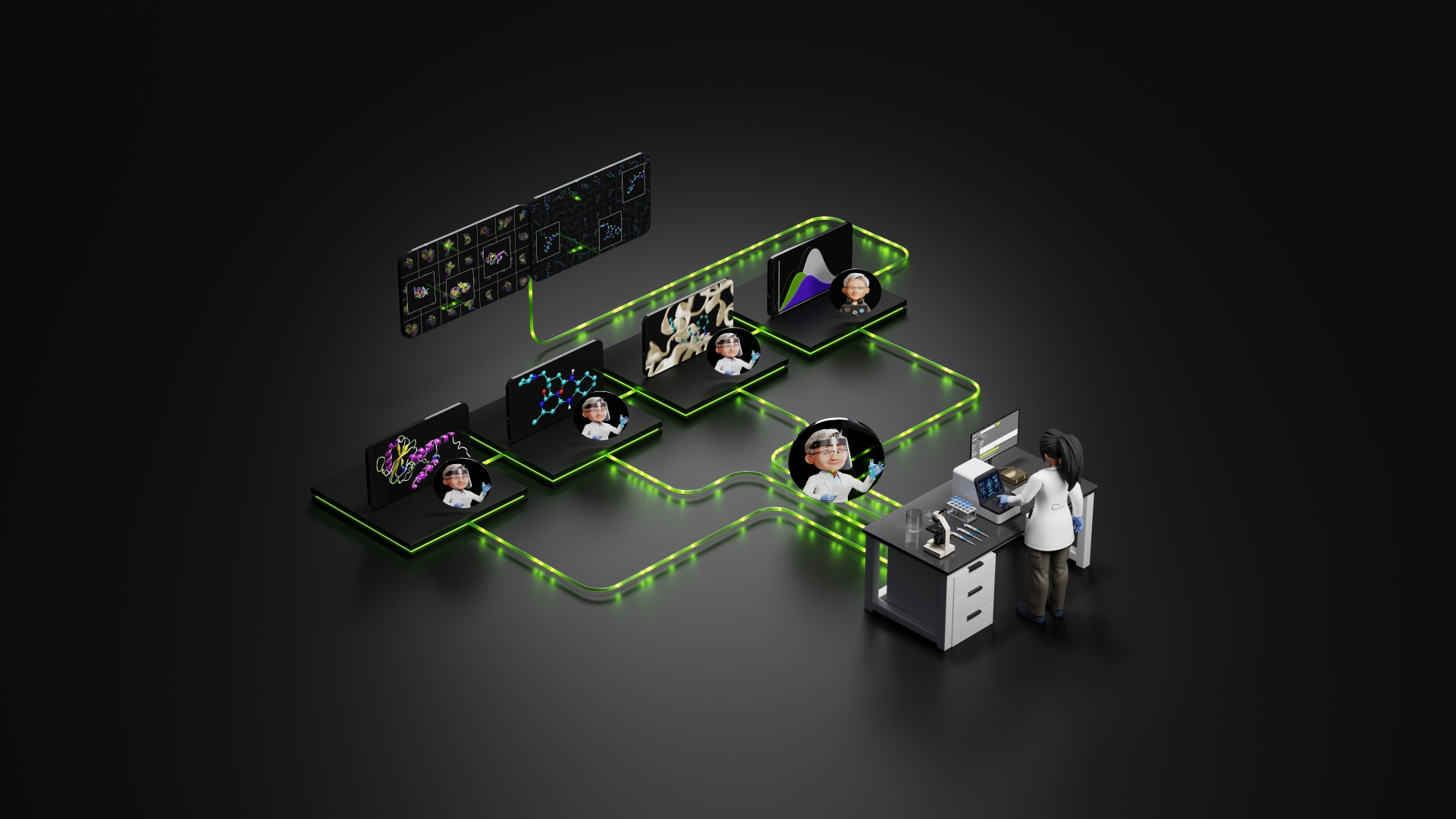
NVIDIA launched the BioNeMo Agent Toolkit, giving AI agents domain-specific tools for life sciences workflows spanning biology, chemistry, genomics, and drug discovery. The toolkit includes BioNeMo, Nemotron, NemoClaw, OpenShell, and NIM microservices, enabling agents to perform protein structure prediction, molecular docking, generative chemistry, and genomic analysis. Over 50 companies are adopting it, including Lilly, Schrödinger, Dassault Systèmes, and Databricks, while Anthropic and OpenAI are integrating it. A collaboration with UW's Institute for Protein Design achieved 2x faster performance on the RosettaFold3 model.
Anthropic has launched Claude Tag, a Slack-based tool that lets teams tag @Claude directly in channels to delegate tasks. Available in beta for Claude Enterprise and Team customers, it runs on Opus 4.8 and supports multiplayer collaboration, async task execution, and proactive updates. Claude builds context by remembering channel history and can schedule tasks over hours or days. Internally, 65% of Anthropic's product team code is now generated by Claude Tag, with use spreading beyond engineering.

Krea has released open weights for two new image models: Krea 2 Raw and Krea 2 Turbo. Krea 2 Raw is an undistilled model taken from mid-training, designed specifically to be fine-tuned by developers and researchers who want to build on top of it. Krea 2 Turbo is a fast, distilled version offering wide aesthetic diversity. The open weight release makes both models freely accessible for external customization and experimentation beyond Krea's own platform.
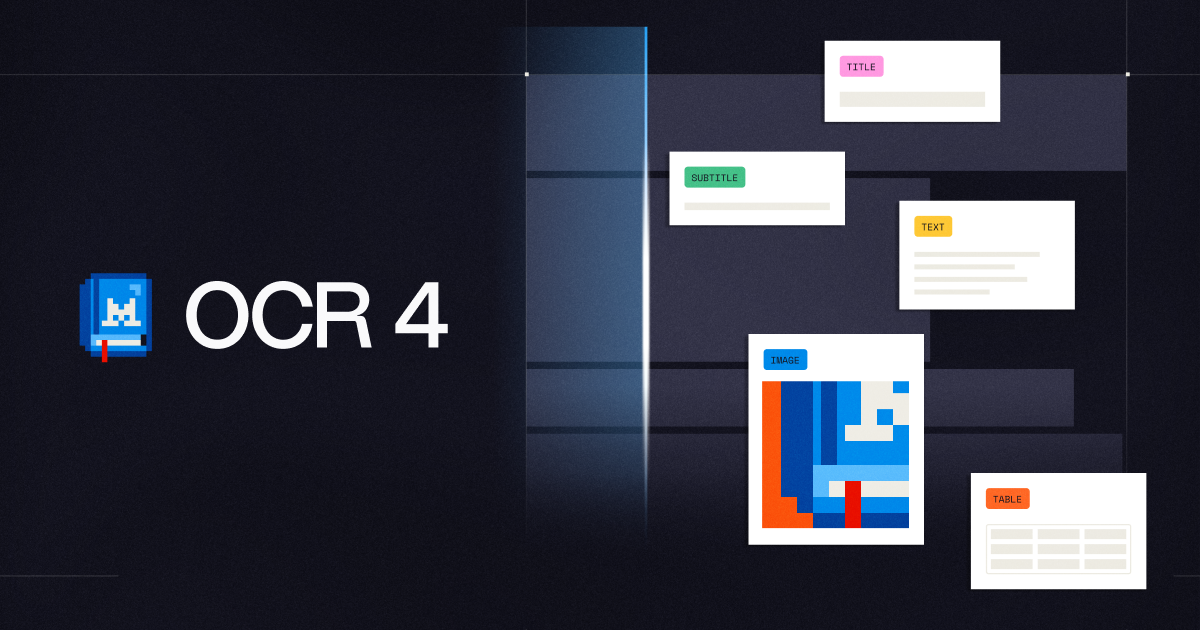
Mistral has launched OCR 4, an enterprise document AI model supporting 170 languages across 10 language groups. The model returns bounding boxes, typed-block classification, and inline confidence scores alongside extracted text, making it suitable for RAG pipelines, agentic workflows, and enterprise search. It runs in a single container for self-hosted deployments. OCR 4 scored 85.20 on OlmOCRBench and achieved a 72% average win rate in human preference evaluations. Pricing is $4 per 1,000 pages via API, with a 50% batch discount.
Monday, June 22, 2026
Anthropic has expanded Claude Desktop to deliver the full enterprise experience on AWS, Google Cloud, and Microsoft Foundry. Previously limited to Claude Cowork and Claude Code, the app now includes chat alongside those surfaces. IT teams can deploy organization-wide using SSO via IAM Identity Center, Microsoft Entra ID, or Okta, push MDM policy templates through Intune, GPO, or Jamf, and use an offline installer for air-gapped environments. Inference stays within the customer's cloud, conversation history is stored locally, and an M365 connector can run entirely on-device.
Sakana AI has launched Fugu and Fugu Ultra, a multi-agent orchestration system that behaves like a single foundation model via one OpenAI-compatible API. Fugu Ultra matches frontier models like Anthropic's Fable 5 and Mythos Preview on engineering, scientific, and reasoning benchmarks, without export control risks. The system dynamically routes tasks across a swappable pool of expert models, managing selection, delegation, and synthesis internally. Early users applied it to code review, cybersecurity analysis, and AI research, with subscription and pay-as-you-go plans available.

OpenAI launched Patch the Planet, a Daybreak initiative built with Trail of Bits, HackerOne, and Calif to help open-source maintainers fix security vulnerabilities. Using GPT-5.Cyber and Codex Security, the program pairs AI-assisted vulnerability discovery with expert human review before findings reach maintainers. Initial participants include cURL, Python, Go, and Sigstore. Early results include hundreds of identified issues, dozens of merged patches, five Chrome V8 exploits, ten-plus Safari vulnerabilities, and a year-old OpenBSD kernel use-after-free bug enabling privilege escalation.
OpenAI has expanded its Daybreak cybersecurity initiative with tools focused on automating vulnerability patching at scale. The full GPT-5.Cyber model is now available to trusted defenders, scoring 85.6% on CyberGym versus 81.8% for GPT-5.5. The updated Codex Security plugin has scanned 30 million commits across 30,000 codebases, resolving over 500,000 findings. OpenAI also launched the Daybreak Cyber Partner Program with firms including Cisco and CrowdStrike, plus the Patch the Planet initiative with Trail of Bits and HackerOne covering open-source projects like cURL and Python.
Samsung Electronics is deploying ChatGPT Enterprise and Codex to all employees in Korea and all Device eXperience division employees worldwide, marking one of OpenAI's largest enterprise launches ever. The tools will support software development, marketing, product development, and manufacturing. Codex, originally a coding tool, is increasingly used for non-technical tasks like building internal tools and automating workflows. OpenAI Korea GM Harrison Kim called it historic, noting Samsung is treating AI as a core platform rather than a limited-use tool.
Getty Images has announced a multi-year display partnership with OpenAI, allowing Getty's licensed content libraries to appear within ChatGPT's search and discovery experiences. The agreement covers display use of Getty Images' content to enhance visual responses in ChatGPT. CEO Craig Peters said high-quality licensed visuals make AI-powered search more useful and trustworthy. The deal mirrors a similar multi-year image partnership Getty struck with Perplexity in October 2025, signaling a broader strategy to license content to AI platforms.
Saturday, June 20, 2026

The Atlantic has expanded its AI Watchdog project with a new music search tool, compiled by researcher Alex Reisner, allowing artists to check whether their recordings appear in four large datasets used in AI music development. The datasets include tracks from major artists like Taylor Swift, Bad Bunny, and Nirvana, with one collection containing 12 million tracks representing 91 years of listening. The tool does not confirm direct use in AI training but highlights the scale of music accessible to AI developers, some of which is not freely licensed.
Friday, June 19, 2026

Watch Matt Wolfe's latest YouTube video where he breaks down all of the most important AI news from the past week.

John Jumper, the Nobel Prize-associated scientist who led the AlphaFold protein-structure prediction project at Google DeepMind, announced he is leaving the company after nearly nine years to join Anthropic. Jumper expressed gratitude for his time at DeepMind, noting that CEO Demis Hassabis gave him the opportunity to lead the AlphaFold team just six months after he finished his PhD. He plans to take time to recharge before starting at Anthropic.
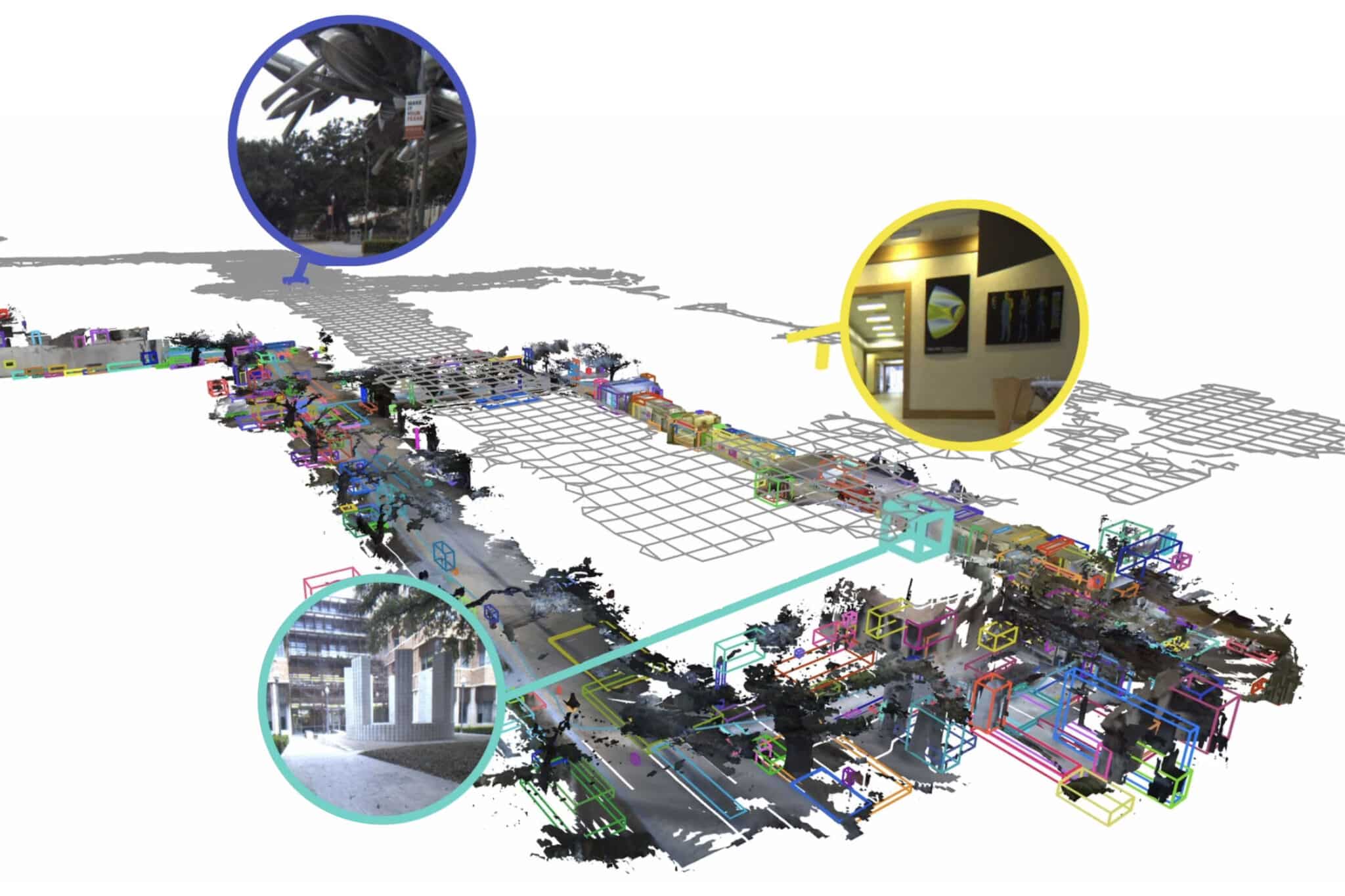
MIT researchers have developed DAAAM (Describe Anything, Anywhere, at Any Moment), an AI system that gives robots long-term memory by building a continuously updated 4D scene graph tracking what they see, where, and when. Created by Nicolas Gorlo, Lukas Schmid, and Luca Carlone, the system uses a smart batching technique to achieve roughly ten times the speed of standard approaches, enabling real-time operation. In tests, DAAAM answered object questions more accurately and completed navigation tasks correctly about 28% more often than competing methods.
Thursday, June 18, 2026

Barret Zoph has departed OpenAI after just five months as head of enterprise sales, announcing his exit via a goodbye message posted in the company's Slack. Zoph had rejoined OpenAI in January following a brief stint as co-founder and CTO of Thinking Machines Lab, the AI startup led by former OpenAI CTO Mira Murati. His rapid departure marks his second exit from a prominent AI leadership role in under a year, highlighting ongoing instability among senior OpenAI talent.
OpenAI has launched new credit usage analytics and updated spend controls for ChatGPT Enterprise, giving admins greater visibility into AI deployments. The Global Admin Console now consolidates ChatGPT and Codex credit usage, letting admins track trends over time, identify top users, and break down spend by user, product, and model. Admins can set default workspace limits, configure group-specific limits, and create individual overrides. Employees can view their own usage and request additional credits with context. A unified Cost API enables deeper analysis in external systems.

Anthropic has added artifacts support to Claude Code, allowing the AI coding tool to generate live, shareable web pages directly from a session's full context, including codebases, connected monitoring tools, and conversation history. Use cases include PR walkthroughs, incident timelines, dashboards, and release checklists that auto-update as work progresses. Pages refresh in place when republished, maintain version history, and are private by default, visible only to authenticated org members. The feature is available in beta for Claude Team and Enterprise plans.

Perplexity has launched Brain, a self-improving memory system for its Computer AI agent, rolling out today to Max and Enterprise Max subscribers in Research Preview. Unlike traditional AI memory that stores user preferences, Brain tracks what the agent did, what worked, and what failed, then reviews a context graph overnight to improve future performance. Early results show Brain increases answer correctness by 25%, improves recall by 16%, and cuts costs on history-dependent tasks by 13%.
OpenAI has upgraded ChatGPT's health responses with GPT-5.5 Instant, available to all free users. More than 230 million people use ChatGPT weekly for health questions. The new model matches frontier Thinking models on challenging health evaluations, including HealthBench Professional, and was rated higher than physician-written responses across accuracy, communication, and completeness. Factuality issues in health responses dropped 71% over two months. The improvements were shaped by a global network of over 260 physicians across 60 countries and 26 specialties.

Let me draft: OpenAI has introduced Record & Replay, a new feature for its Codex platform that converts demonstrated workflows into reusable, editable skills. Users can show Codex a recurring task, such as filing an expense report or submitting a time-off request, and Codex automatically transforms that demonstration into an inspectable skill. Users retain full control over when recording starts and stops. The feature aims to reduce repetitive work by letting teams build a library of automatable, shareable workplace workflows.

Chinese company Yueban debuted the Xiaoban, an autonomous self-driving toilet, at a Shanghai elderly care expo. Using lidar and ultrasonic sensors borrowed from robot vacuum technology, it navigates homes and care facilities via remote or voice commands to reach users with mobility issues. It includes a built-in bidet, warm air dryer, self-cleaning bowl, UV bacteria-killing lights, and a robot arm that empties waste into a standard toilet. It is priced at roughly $4,300 in China, with no confirmed global availability.
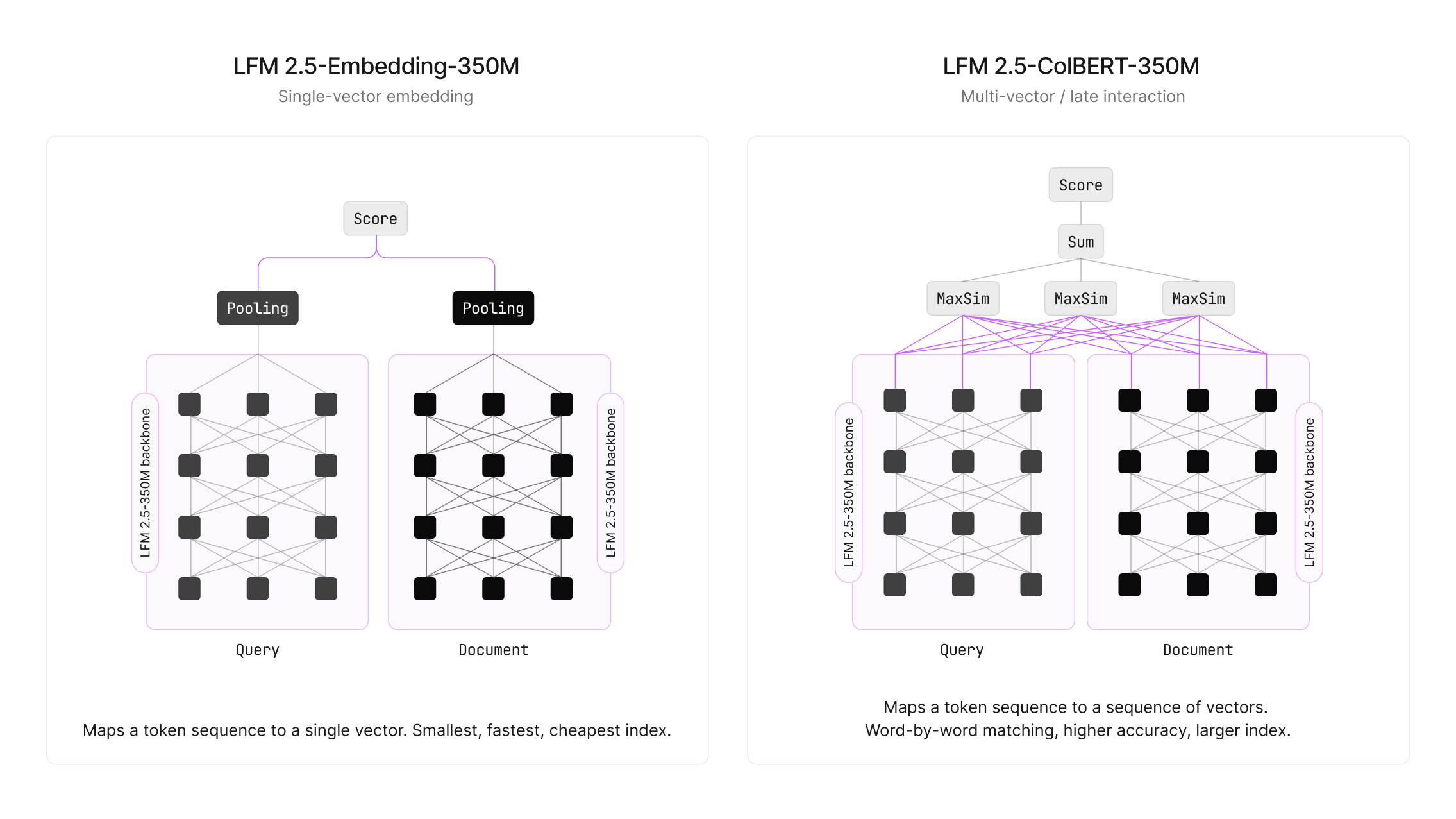
Liquid AI has released two 350M-parameter multilingual retrieval models, LFM2.ColBERT-350M and LFM2.Embedding-350M, supporting 11 languages including Arabic, Japanese, Korean, and German. Both are the first bidirectional members of the LFM family, adapted from the LFM2.5-350M-Base checkpoint. The Embedding model produces a single dense vector for fastest search, while the ColBERT model generates per-token vectors for higher accuracy. Both achieve best-in-class scores on NanoBEIR and MKQA-11 benchmarks and are available on Hugging Face with GGUF versions for CPU and edge deployment.

Google DeepMind has published its AI Control Roadmap, a defense-in-depth security framework for managing advanced AI agents deployed internally at Google. Authored by Rohin Shah and colleagues, the roadmap treats internal agents as potential insider threats, using trusted AI supervisors to monitor agent reasoning and block harmful actions in real time. The team analyzed one million coding agent trajectories to build live monitoring for the Gemini Spark agent. DeepMind also released a companion policy paper, Three Layers of Agent Security, aimed at policymakers.
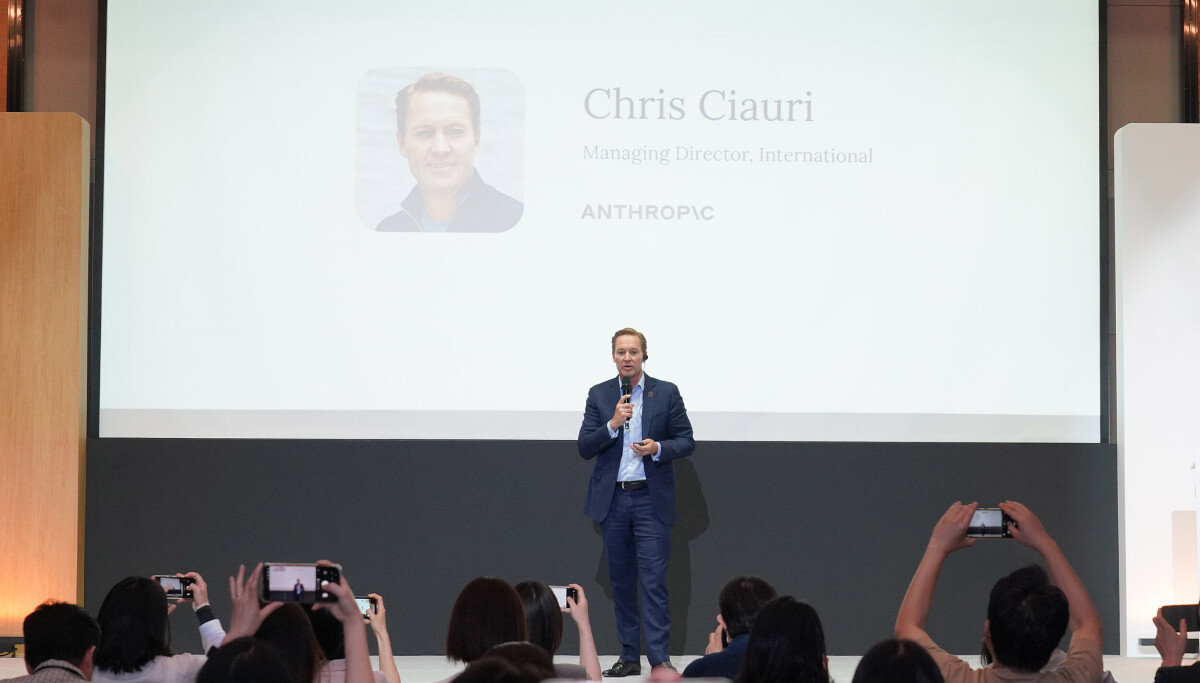
Anthropic has expressed confidence that access to its Mythos and Fable 5 AI models could be restored within days, following a White House directive that blocked the tools due to security concerns. The move disrupted users in South Korea, where the models had been available. Amid the export control controversy, Anthropic also signaled plans for deeper investment in South Korea, suggesting the company views the market as strategically important despite the temporary access restrictions.
Anthropic's Claude has introduced centralized enterprise authorization for MCP connectors, allowing admins to provision connectors across their entire organization through an identity provider. Starting with Okta support, the feature enables users to automatically receive connector access upon first login, with authorization configured centrally rather than individually. This streamlines enterprise deployment of MCP integrations and reduces friction for organizations managing large numbers of users needing access to connected tools.
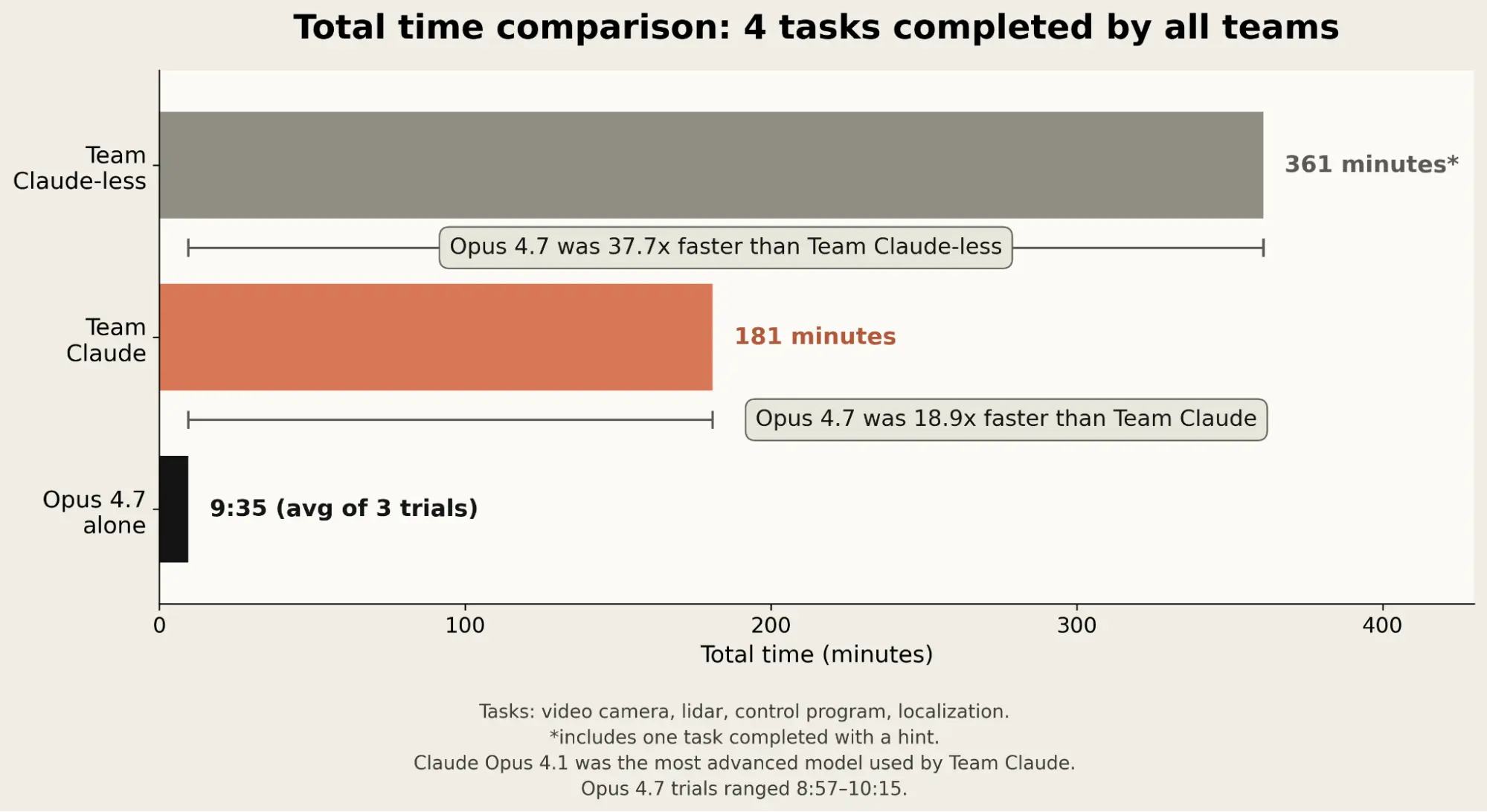
Anthropic has published results from Project Fetch Phase Two, finding that Claude Opus 4.7 can complete sophisticated robotics tasks approximately 20 times faster than the fastest human teams. The model operated without human assistance during testing, outpacing human participants on all tasks that were completed by humans less than a year ago. The results suggest Claude is rapidly advancing in autonomous, real-world task execution beyond typical software benchmarks.

Adobe is expanding its Firefly AI assistant to Premiere, Illustrator, InDesign, and Frame.io, adding new capabilities including brand kit generation, product videos from photos, and storyboards. In Premiere, the assistant can sort assets into bins, batch-rename clips, and add markers, while in Illustrator it can reorganize layers and check for missing fonts. Firefly is also gaining Elements and Projects features, currently in private beta, to save AI-generated assets and store project context for team campaigns. Google Gemini and Slack support is planned.

Vampire Survivors developer Poncle announced a collaboration with Fortnite hours before suggesting it may pull out of the deal, citing concerns over Epic Games' recent promotion of generative AI. The indie studio's hesitation reflects growing unease among developers about partnering with companies that embrace AI-generated content. Epic has been publicly touting generative AI tools, which prompted Poncle to reconsider the partnership shortly after the announcement went public.
Epic Games has outlined AI-driven features planned for Unreal Engine 6, with LLMs, generative AI models, and tools like Claude and Codex playing a central role. UE6 will expose engine capabilities through the MCP protocol, letting developers mix and match models and build custom integrations. The Epic Developer Assistant will serve as an optional turnkey solution. Internally, Epic has seen success using AI for code indexing, crash analysis, automated test generation, and backend development acceleration.
xAI launched Grok Imagine Video 1.5 into general availability on June 16, 2026, across its API, grok.com, and iOS and Android apps. The model now tops the Image-to-Video Arena leaderboard with a +52 Elo point gain over version 1.0, outranking Sora 2, Veo 3.1, and Kling. Pricing is $0.14 per second at 720p, roughly 86 percent below Sora 2 Pro's $0.50 per second. The Aurora autoregressive architecture delivers strong motion coherence but caps output at 720p. A faster variant generates second clips in about 25 seconds.

TLDR is processing
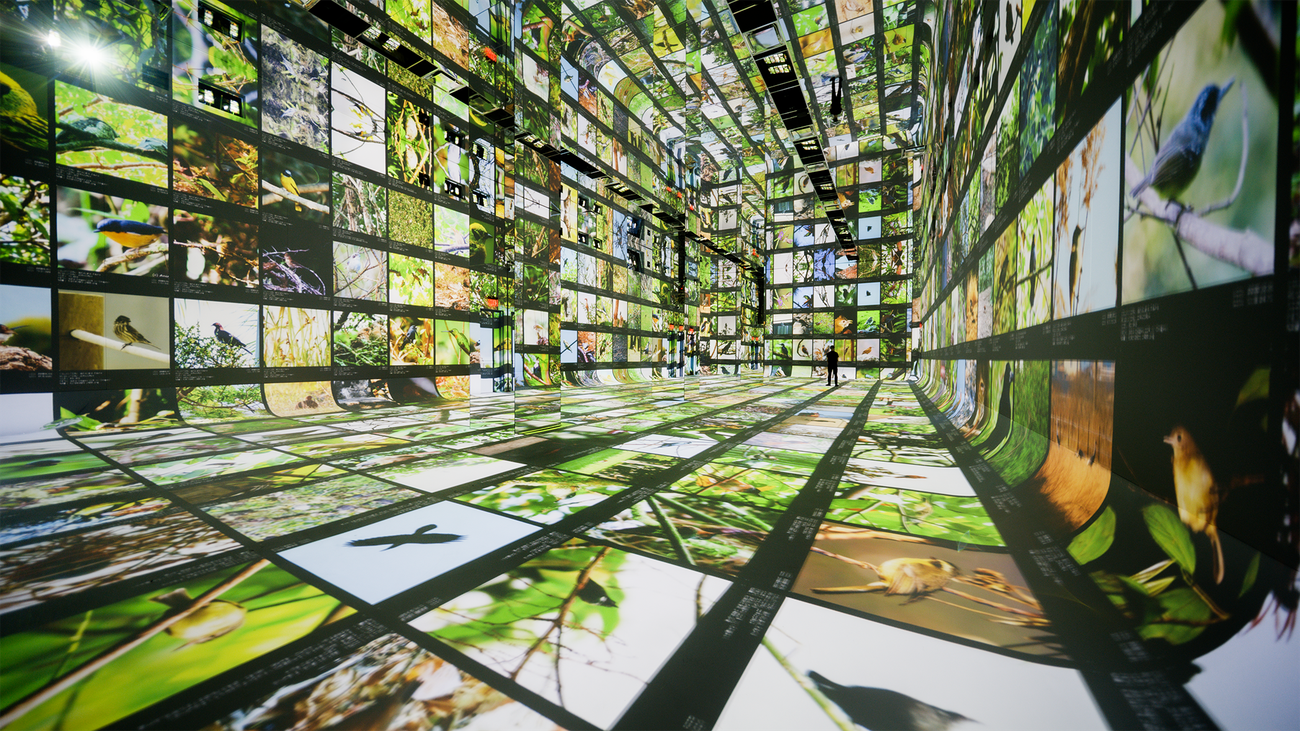
Google Cloud is powering Dataland, the world's first AI arts museum, opening June 20th in Los Angeles. Created with media artist Refik Anadol after a decade-long collaboration, the 25,square-foot venue inside Frank Gehry's The Grand LA uses Google Cloud's Gemini Enterprise Agent Platform and Compute Engine to render 1.2 billion pixels of real-time generative art. Google Arts & Culture is also supporting a six-month AI Artist Residency offering four artists $25,000 grants and access to advanced machine learning tools.
Free subscriber bonus
Get the AI Income Database, free when you join
38+ real ways people are making side-hustle money with AI right now. Each one comes with the playbook and the exact tools to pull it off. No fluff and no course to buy. It's the bonus every new subscriber gets on day one.
- 38+ proven AI side-hustles, from first dollar to scale
- The exact tools for each one, picked from the 4,500+ we track
- Updated as new opportunities appear (subscribers hear first)
Joins the twice-weekly AI briefing read by 250,000+ people. Free forever, unsubscribe anytime.