Latest AI News
The most comprehensive AI news feed on the internet -- curated by Matt Wolfe
*News may update slower on weekends and when Matt's traveling
Get This In Your Inbox Twice a Week
Wednesday, July 1, 2026
Anthropic is redeploying Claude Fable 5 on July 1 after US export controls imposed June 12 forced a suspension of both Fable 5 and Mythos 5. The controls followed Amazon researchers discovering a safeguard bypass that allowed the model to identify software vulnerabilities and demonstrate an exploit. Anthropic confirmed competing models including GPT-5.5 and Kimi K2.7 could produce identical outputs. A new safety classifier now blocks the reported technique in over 99% of cases. Mythos 5 access has been restored for select US organizations.
Meta is developing a cloud infrastructure business called Meta Compute to sell excess AI computing power and model access to outside customers, directly competing with AWS, Microsoft Azure, and Google Cloud. Plans include an AWS Bedrock-style model hosting service featuring Meta's own Muse Spark models, plus raw compute capacity similar to CoreWeave. The initiative is led by Santosh Janardhan, Daniel Gross, and Dina Powell McCormick. Meta shares jumped 9.3% on the news, while CoreWeave fell 14%.

Square has launched a ChatGPT app and Claude plugin letting U.S. Food and Beverage sellers accept orders placed directly inside AI chat interfaces, with no setup required and zero added marketplace commission fees. Restaurants pay only Square's standard processing rate of 2.9% plus $0.30 per transaction, versus DoorDash and Uber Eats commissions reaching 30%. Orders sync with Square's live catalog and appear on existing POS and Kitchen Display Systems. Square is also partnering with Amazon for Alexa+ voice commerce and co-developing Google's Universal Commerce Protocol.

Cloudflare is giving AI companies until September 15, 2026 to separate web crawlers used for search from those used for AI training and agents. After that deadline, default settings will block mixed-use crawlers from any pages hosting ads, affecting new customers and all existing free-tier sites. CEO Matthew Prince cited bots now surpassing human internet traffic as motivation. Cloudflare is also expanding its Pay Per Crawl marketplace into Pay Per Use, with initial partners Ceramic.ai and You.com paying publishers when their content generates value.
Tuesday, June 30, 2026

The accessible source details point to this update: X Launches Hosted MCP Server to Connect AI Apps With Its API. Because the full article could not be reliably extracted or rewritten, this TLDR stays conservative and is based on headline-level information plus limited source context from techcrunch.com.
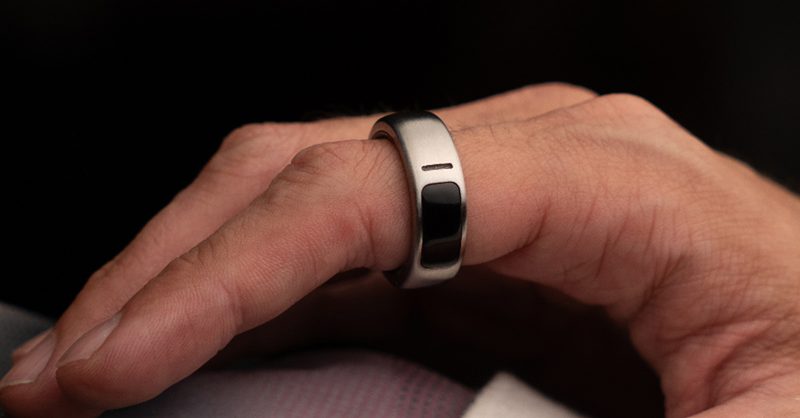
Startup OASIS has unveiled the OASIS 1, a smart ring combining AI-powered whisper dictation with a built-in capacitive trackpad for cursor control and text editing. The ring uses WisprFlow's dictation technology to transcribe speech privately, letting users write without speaking aloud. A noise-isolating microphone and haptic feedback trackpad allow subtle finger gestures to navigate and correct text. The device offers up to 16 hours of battery life and is available to pre-order for $289, with first shipments expected around Christmas 2026.
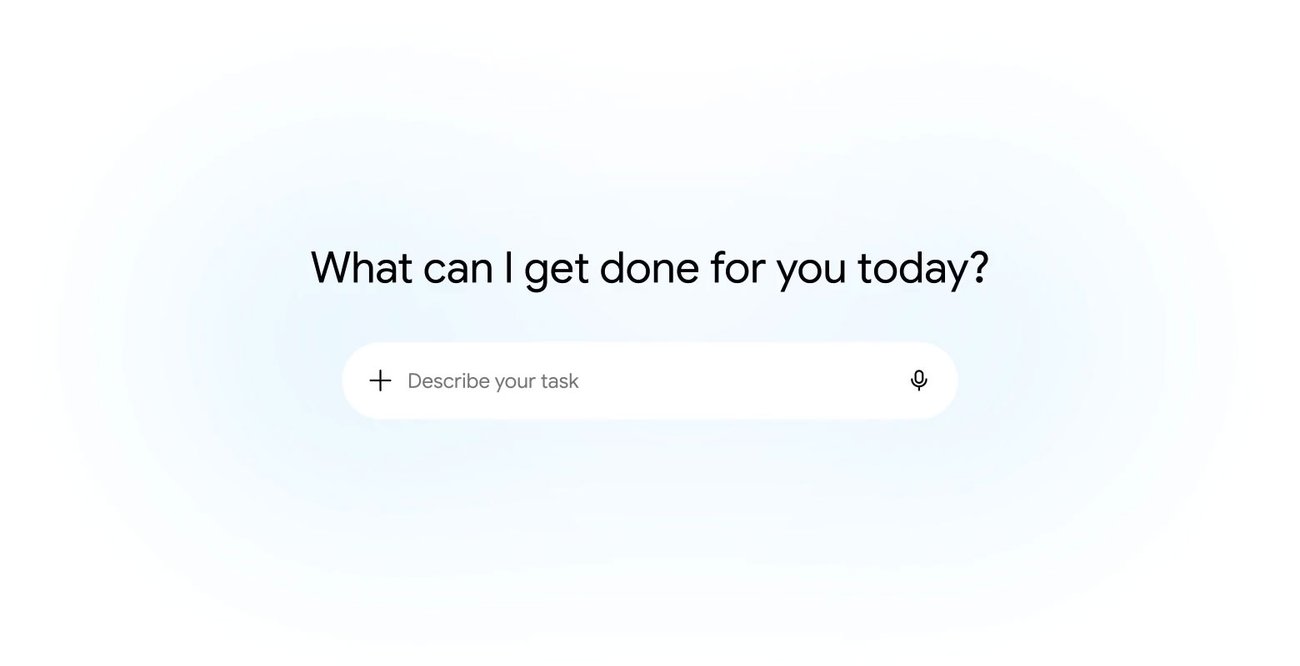
Google is rolling out updates to Gemini Spark, including a new macOS app that lets users automate desktop tasks like sorting PDFs into folders or building budget spreadsheets from local invoices. Spark can also run multi-step tasks remotely from a phone. New app integrations include Canva, Dropbox, Instacart, OpenTable, and Zillow Rentals, plus Google Tasks and Keep. Custom MCP support is also launching. The macOS beta is available to Google AI Ultra subscribers in the US.

Anthropic announced that the U.S. Department of Commerce has lifted export controls on Claude Fable 5 and Mythos 5, two of its AI models. The company stated it will begin restoring user access the following day and plans to share a further update soon. Anthropic thanked users for their patience during the restriction period and acknowledged those who worked with the company throughout the process of getting the controls lifted.
The Trump administration plans to lift export restrictions on Anthropic's Fable 5 AI model as early as Tuesday evening, restoring general user access after weeks of industry disruption. Fable 5 is a consumer version of Anthropic's more powerful Mythos 5 model, built with added safeguards against cyberattack misuse. Export controls were first imposed June 12; Mythos restrictions were partially lifted June 26. The move reflects the administration's effort to balance cybersecurity concerns with AI competitiveness against China.

OpenAI engineers have discovered optimizations that cut AI inference costs by more than half, according to The Information. When applied to ChatGPT for logged-out users, the techniques reduced the Nvidia GPUs needed to just a couple hundred. Possible methods include quantization, key-value caching, batch query processing, and query routing. OpenAI could use the savings to raise user query limits, lower API prices, or improve gross profit margins, which stood at 39% in Q1 2025, well below its 56% target for the rest of the year.

Runway has integrated Google's Gemini Omni Flash model into its AI video platform, giving users a new option for generating and editing video content. The feature supports multiple input types, including text prompts, images, and existing video clips, making it flexible for a range of creative workflows. Users can access Gemini Omni Flash directly through Runway's interface or by instructing Runway's built-in Agent to use Omni, expanding the platform's available model lineup for AI-driven video production.

Netflix's Wonka's The Golden Ticket, premiering September 23rd, uses an AI-generated voice of Gene Wilder for its voiceover. Netflix partnered with AI audio company ElevenLabs and obtained consent from Wilder's family. The reality show follows 12 golden ticket winners competing over one week, with a two-part finale on September 30th. ElevenLabs previously recreated the voices of Michael Caine and Stan Lee. The show continues Netflix's 2021 partnership with the Roald Dahl company.

Google has launched two new generative media models: Nano Banana 2 Lite, its fastest and most cost-efficient image model at $0.034 per 1,000 images with a second text-to-image latency, and Gemini Omni Flash, a video generation and conversational editing model priced at $0.10 per second of output. Both are available in Google AI Studio, the Gemini API, and Gemini Enterprise Agent Platform. Nano Banana 2 Lite is also rolling out to Search, Gemini app, NotebookLM, and Google Ads.

Anthropic launched Claude Sonnet 5 on June 30, 2026, positioning it as its most agentic Sonnet model yet, with major improvements in coding, tool use, reasoning, and knowledge work. Performance approaches Opus 4.8 at a lower price, with introductory API pricing of $2 per million input tokens and $10 per million output tokens through August 31, 2026. It is now the default model for Free and Pro plans and is also available in Claude Code.
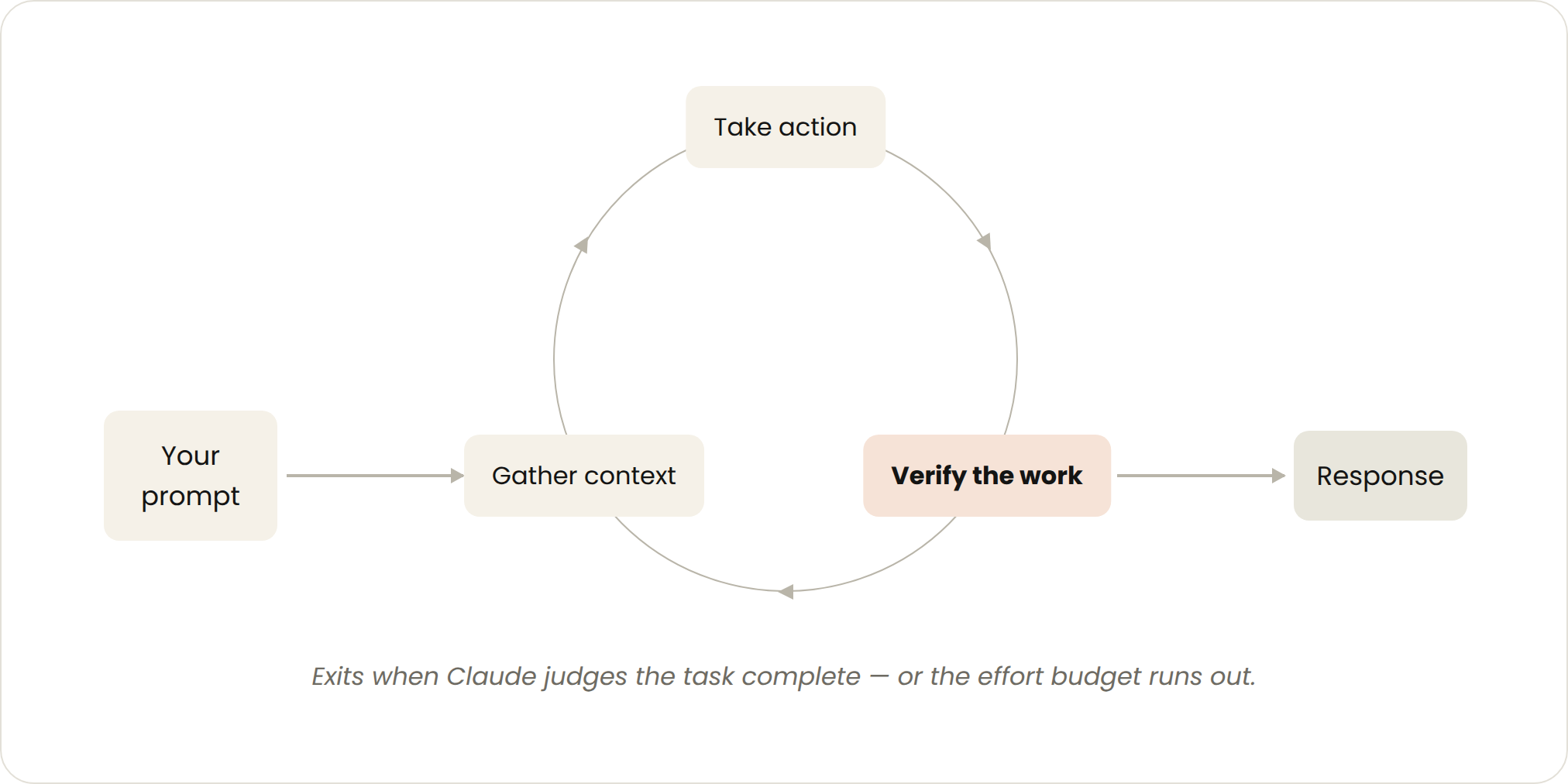
Anthropic's Claude Code team has published a guide defining agentic loops as agents repeating cycles of work until a stop condition is met. The guide covers four loop types: turn-based loops triggered by user prompts, goal-based loops using the /goal command with verifiable exit criteria, time-based loops using /loop and /schedule for recurring tasks, and proactive loops that run autonomously on events or schedules. The team recommends starting simple, using SKILL.md files for self-verification, and piloting before large runs to manage token usage.

Anthropic has launched Claude Science, an AI workbench for researchers, now in beta for Claude Pro, Max, Team, and Enterprise users on macOS and Linux. The app consolidates fragmented scientific tools into one environment, offering over 60 pre-configured skills and connectors for genomics, proteomics, single-cell analysis, and cheminformatics. It integrates with NVIDIA's BioNeMo Agent Toolkit and manages compute across local machines or HPC clusters. A reviewer agent checks citations and calculations automatically. Anthropic is also offering up to $30,000 in credits for select AI for Science projects.

OpenAI has launched GeneBench-Pro, a research-level benchmark testing AI agents on judgment-heavy computational biology tasks across 129 problems spanning 10 domains including statistical genetics, cancer genomics, and clinical diagnostics. Unlike traditional benchmarks, problems use synthetically generated data with known causal structures to enable deterministic grading. OpenAI's strongest model, GPT-5.6 Sol, achieved a 28.7% pass rate, up sharply from below 5% when GPT-5 was tested on the original GeneBench. Ten representative questions are open-sourced on Hugging Face.
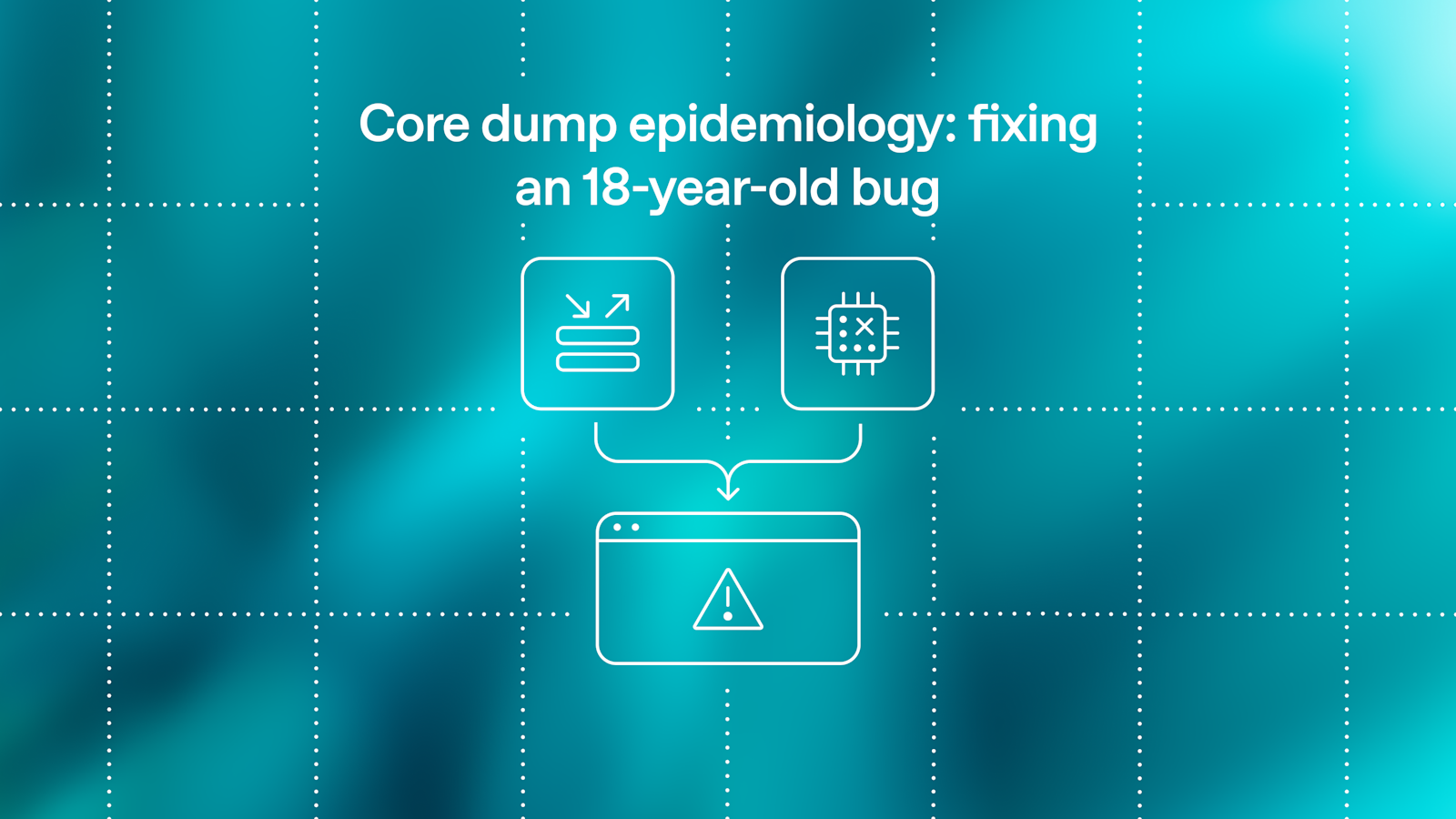
OpenAI engineers investigating mysterious crashes in Rockset, a C++ data infrastructure service powering ChatGPT search and conversation plugins, discovered two unrelated bugs using an epidemiological approach. By building an automated pipeline with ChatGPT to analyze a year's worth of core dumps, they separated crashes into two distinct populations: one traced to silent CPU arithmetic errors on a single faulty Azure physical host, and another to an year-old race condition in the widely used open-source GNU libunwind library, which has now been patched.

Google NotebookLM has launched Short Video Overviews, a new feature that converts complex source documents into second vertical videos exploring key concepts. The feature is rolling out now to Google AI Ultra and Pro subscribers on both mobile and web platforms, with free users expected to gain access soon. The addition expands NotebookLM's existing audio and text tools with a short-form video format suited for quick, visual content consumption.
Monday, June 29, 2026

OpenAI teased a new hardware device tied to its AI coding tool Codex, set to launch on July 15th in partnership with Work Louder, a company known for mechanical keyboards and macro pads. A video posted to X shows a square-shaped device with multiple buttons, captioned "Your favorite Codex shortcuts are getting an upgrade." The device resembles Work Louder's Creator Micro 2, which features 13 mechanical switches, a joystick, and a touch sensor for assignable shortcuts.
Google's Gemini 3.5 Pro is on track for a July launch after missing its June target, making it the only major frontier AI model set to release without U.S. government restrictions. Unlike Anthropic's Fable 5, which was forced offline June 12 after NSA red-team tests, and OpenAI's GPT-5.6, restricted due to a 96.7% cybersecurity benchmark score, Gemini 3.1 Pro scored 70.7% on Terminal-Bench 2.1 — well below the unofficial threshold. Gemini 3.5 Pro will feature a million-token context window and a Deep Think reasoning mode.
Anthropic has launched the Claude Apps Gateway, a new tool that connects Claude Code to Amazon Bedrock and Google Cloud. The gateway runs as a stateless container on your own infrastructure and provides enterprise features including corporate SSO login, centrally enforced policy controls, role-based access management, per-user cost attribution, and spend caps. The solution gives organizations centralized oversight and cost control when deploying Claude Code across teams on major cloud platforms.
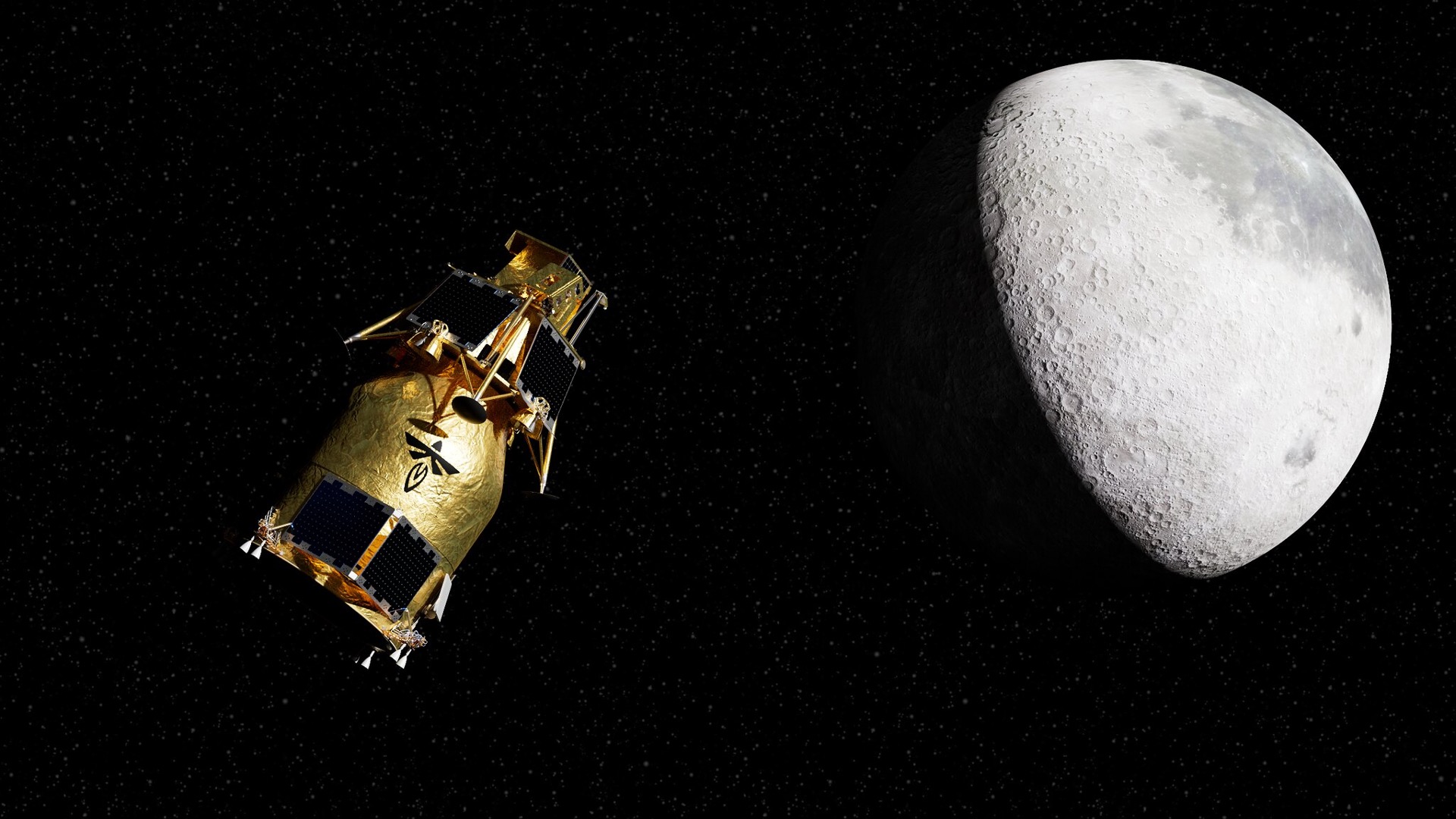
Firefly Aerospace's Blue Ghost Mission 2, targeting late 2026, will be the first mission to run NVIDIA Jetson edge AI in lunar orbit. Firefly's Ocula imaging service, powered by Jetson modules built by Lawrence Livermore National Laboratory, will process ultraviolet and visible spectrum imagery onboard rather than downlinking raw data. This compresses analysis from weeks to near real time. Firefly's Elytra spacecraft will orbit the moon for five years running Ocula, while a lander descends to the far side carrying a radio telescope for UC Berkeley-led NASA research.
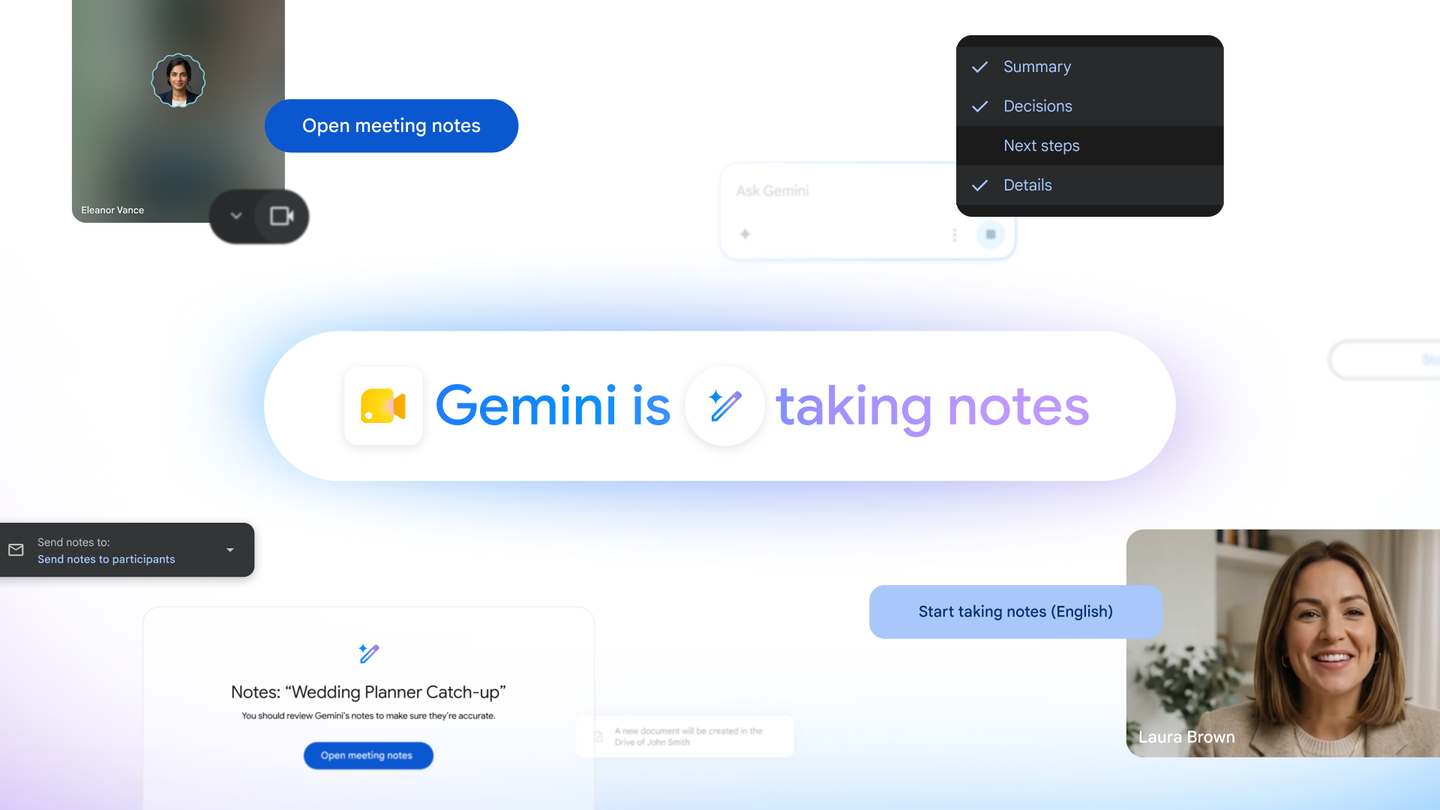
Google has launched its Take notes for me feature in Google Meet for AI Pro and Ultra subscribers, available now on web and mobile in select languages. Powered by Gemini, the tool transcribes conversations in real time, generates meeting summaries with key action items, and automatically saves notes to a Google Doc in Drive. After the meeting, users receive an email recap. Eligible Workspace business customers can also access it. All participants are notified when note-taking is enabled.

Google is expanding personalized image creation in its Gemini app to all eligible U.S. users for free. The feature uses Personal Intelligence to pull data from Gmail, Google Photos, YouTube, and Search with user permission. By connecting with Nano Banana and Google Photos, Gemini can generate tailored images from simple prompts like "design my dream house" or "create an illustration of me and my favorite things" using actual photos from your library. The feature is opt-in and adjustable in settings.
Anthropic's Claude models are now generally available in Microsoft Foundry, hosted on Azure. Claude Opus 4.8 and Claude Haiku 4.5 are accessible via the Messages API with features like prompt caching and extended thinking. The integration uses existing Azure identity, networking, and governance controls, with a single consolidated invoice and support for Microsoft Enterprise Agreement commitments. A US data zone option addresses data residency requirements. Anthropic operates inference and acts as data processor, with NVIDIA GB300 GPUs powering the deployment.
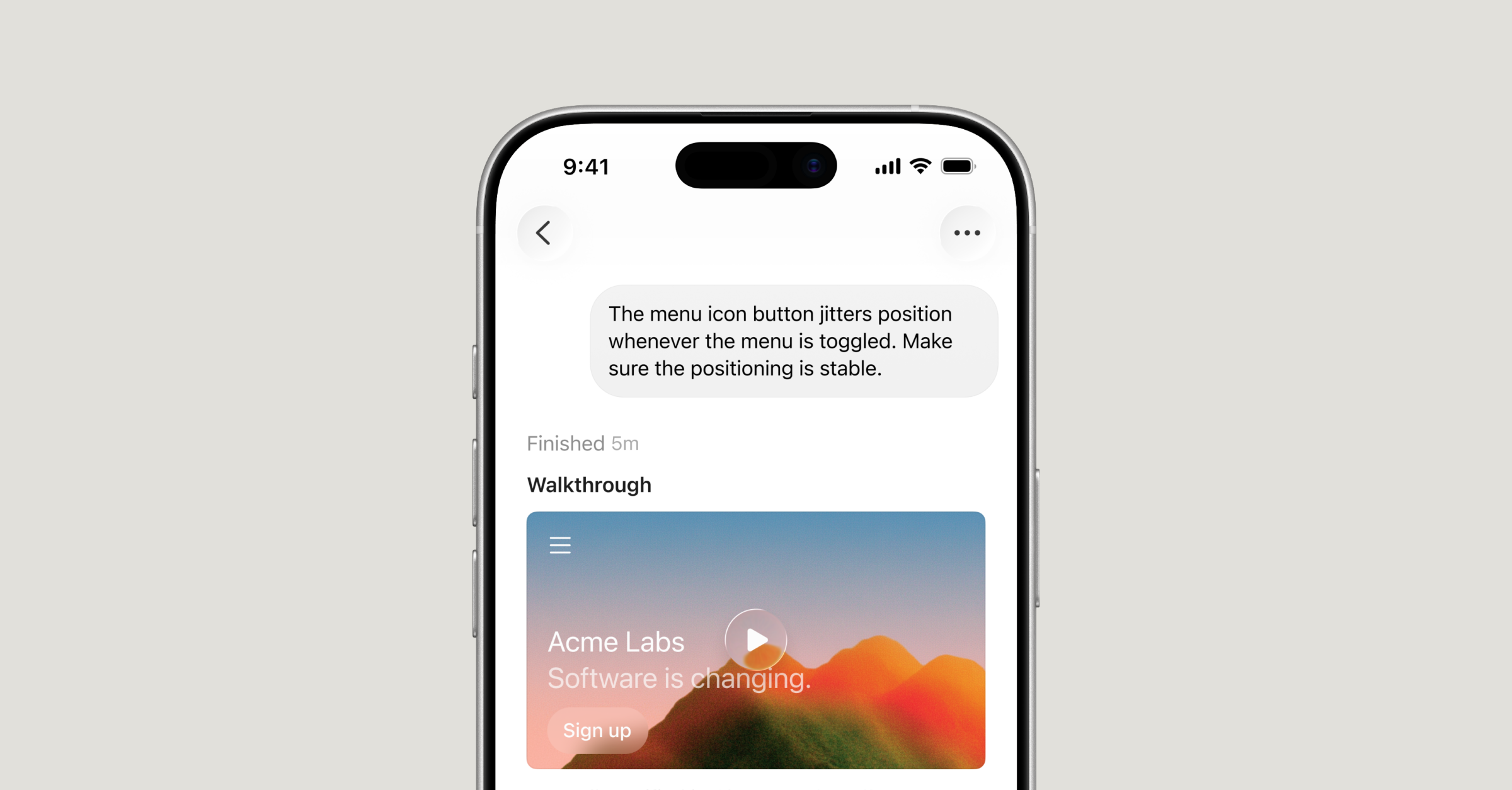
Cursor has launched a native iOS app in public beta, available to all paid plan subscribers. The app lets developers launch AI coding agents in the cloud or remotely control agents running on their local machine from their phone. Features include voice input, slash commands, Live Activities on the lock screen, push notifications, and the ability to review diffs and merge PRs directly from the app. Cursor is offering 75% off Composer 2.5 runs in the mobile app through July 5, 2026.

California Governor Gavin Newsom announced a partnership with Anthropic to provide Claude AI to state agencies and local governments at a 50% discount. The deal also includes a cybersecurity component aimed at strengthening protections across California's public sector. Newsom framed the agreement as a way to ensure all Californians benefit from responsible AI innovation, noting the state's historic role in building Silicon Valley and its tech industry.
Sunday, June 28, 2026
xAI's Grok 4.5, built on a 1.5 trillion parameter V9 foundation model with Cursor data added during supplemental training, has entered private beta at SpaceX and Tesla. Early evaluations show performance close to or potentially exceeding Claude Opus. Reinforcement learning continues to improve the model, and the Grok Build harness improves daily. Elon Musk also announced that completely new models trained from scratch will be released by SpaceX on a monthly basis throughout 2025.

HP Inc. has announced a Frontier strategic partnership with OpenAI, scaling beyond successful pilots launched in February 2026. Early results included one engineer completing 122 pull requests across 43 projects in weeks, and a security team remediating software bugs in a day that would have taken a month. The partnership will deploy AI across customer support, partner portals serving 100,plus partners, device fleet management, cybersecurity, and software development, with OpenAI estimating roughly 82 hours per week of security-team capacity unlocked.
Friday, June 26, 2026

Watch Matt Wolfe's latest YouTube video where he breaks down all of the most important AI news from the past week.
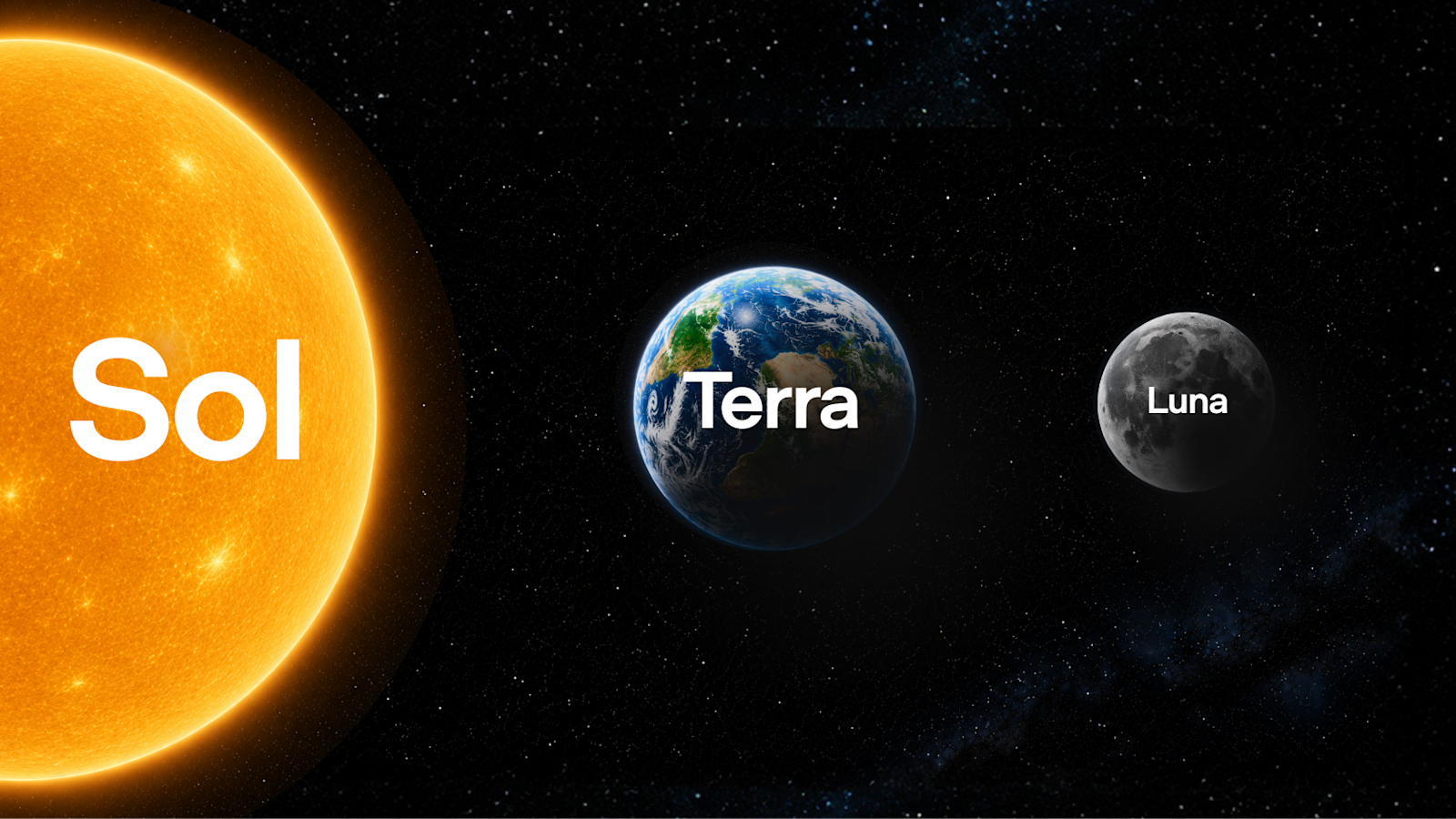
OpenAI is beginning a limited preview of its GPT-5.6 model series, comprising Sol, Terra, and Luna. Sol is the flagship model featuring new max reasoning and ultra multi-agent modes, excelling on Terminal-Bench 2.1 coding, GeneBench v1 biology, and ExploitBench cybersecurity evaluations. Terra offers GPT-5.level performance at half the cost, while Luna targets affordability. At the U.S. government's request, access is initially restricted to trusted partners before broader release in coming weeks.
YouTube has added AI-powered comment moderation tools to YouTube Studio, available on desktop for all creators globally. The update introduces a new Search filter that finds comments based on broader meaning or topic rather than exact keywords. Creators can type phrases like "comments about my appearance" or "questions about my gear" to group related comments, or choose from suggested topics like "Excitement and enthusiasm" or "Negative feedback." A "Find similar comments" option also lets creators locate comments with similar meaning. The tools do not auto-remove anything.
Thursday, June 25, 2026

OpenAI CEO Sam Altman told staff that GPT-5.6 will launch in a limited preview to select partners after the federal government requested a staggered release. The Office of the National Cyber Director and the Office of Science and Technology Policy made the request, and Commerce Secretary Howard Lutnick separately warned OpenAI against launching without broader agency approvals. Altman hopes a general release will follow a couple of weeks later. The episode reflects growing industry confusion over whether the Trump administration's AI oversight is truly voluntary.

Google Finance is exiting beta with major upgrades, including a new dedicated Android app. Users can track portfolios via a single dashboard showing performance and asset allocation, with setup via screenshots, CSV or PDF uploads, or plain-text descriptions. A new market intel feature lets users schedule custom AI-generated briefings, such as daily pre-market cryptocurrency updates. The Android app offers real-time data, a live news feed, an AI research tool, and AI-powered key moments explaining stock moves. An iOS app is planned for later in 2026.

Runway has launched Agent 2.0, a new tool built into its platform that lets users go from a simple prompt to fully realized marketing briefs and campaign assets. The system can also analyze performance data to help improve creative output and scale it across platforms, formats, and markets. Agent 2.0 represents Runway's push into AI-powered marketing workflows, streamlining the process from ideation to multi-platform campaign execution.
Mark Cuban argues that opposition to AI data centers is really a proxy for broader anger at AI's concentration of wealth and potential job displacement. He urges OpenAI and other major LLM companies to launch community tours focused not on explaining AI's benefits, but on directly helping towns facing job losses. Cuban also calls on AI leaders to meet with artists and creative unions in cities like LA and NYC, warning that buying politicians and ignoring everyday workers will ultimately backfire and limit the capacity needed to run their businesses.

Microsoft has updated Copilot in Excel with new finance-focused features including skills, data connectors, and traceability tools. Skills let teams define repeatable workflows like DCF models or variance analyses using a SKILL.md file saved to OneDrive. New financial data connectors include CB Insights, Daloopa, FactSet, Morningstar, PitchBook, and S&P Global, joining existing LSEG and Moody's integrations. A Plan with Copilot feature outlines intended changes before execution, and edits are now attributed to Copilot in the Show Changes pane for full auditability.
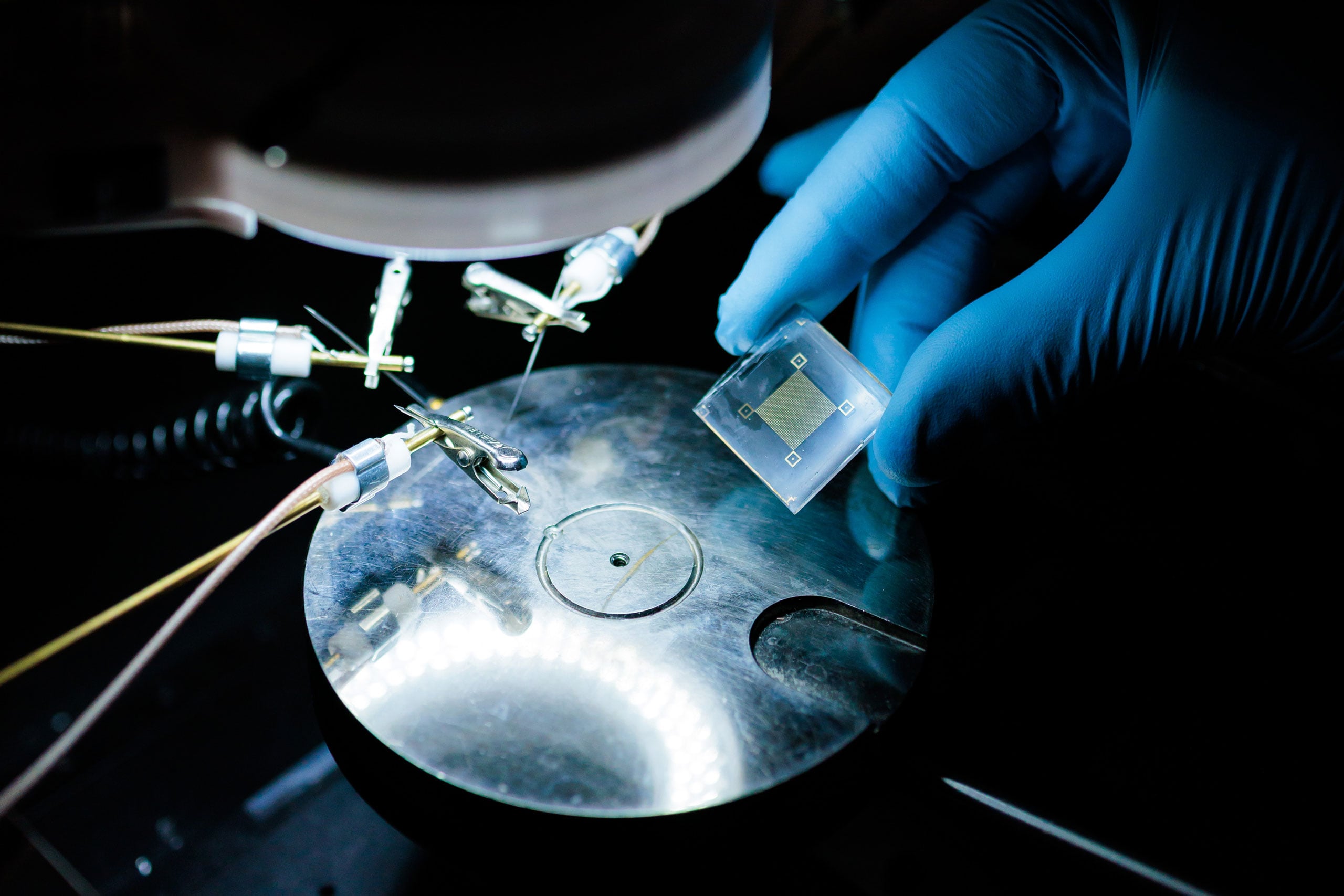
Researchers at the University of Chicago Pritzker School of Molecular Engineering have developed a flexible AI skin patch that processes health data directly on the body in milliseconds, without relying on external servers. Built with organic electrochemical transistors printed onto flexible materials using UV-hardened polymer gel, the device can pack up to 10,000 transistors per square centimeter. In tests, it ran algorithms to map heart rhythms and detect ventricular fibrillation fast enough for real-time intervention, a task impossible with cloud-dependent wearables. The study was published in Nature Electronics.
Free subscriber bonus
Get the AI Income Database, free when you join
38+ real ways people are making side-hustle money with AI right now. Each one comes with the playbook and the exact tools to pull it off. No fluff and no course to buy. It's the bonus every new subscriber gets on day one.
- 38+ proven AI side-hustles, from first dollar to scale
- The exact tools for each one, picked from the 4,500+ we track
- Updated as new opportunities appear (subscribers hear first)
Joins the twice-weekly AI briefing read by 250,000+ people. Free forever, unsubscribe anytime.