Latest AI News
The most comprehensive AI news feed on the internet -- curated by Matt Wolfe
*News may update slower on weekends and when Matt's traveling
Get This In Your Inbox Twice a Week
Wednesday, May 27, 2026

Amazon MGM Studios has launched the GenAI Creators' Fund, partnering with Amazon Web Services to build what they call the industry's first purpose-built AI production platform for visual storytelling, dubbed Project Nara. The fund has greenlit three animated Prime Video series: Punky Duck from Book of Life director Jorge R. Gutierrez, Love, Diana Music Hunters from former Nickelodeon president Albie Hecht, and Cupcake & Friends from BuzzFeed Studios. Executives emphasize the initiative empowers human creators rather than replacing them.

Microsoft is expanding protections against non-consensual intimate imagery (NCII) across its services, including Teams Free, OneDrive, and Xbox. The company has strengthened its reporting process with a clearer form covering both real and AI-generated images, and expanded use of StopNCII.org hashes—piloted on Bing since September 2024—to detect and remove known NCII. Microsoft also partnered with UK NGO Childnet to release educational materials on AI misuse for teens in the UK, Singapore, South Korea, and Japan.

OpenAI has outlined its 2026 election safeguards, building on 2024 efforts. ChatGPT will provide live vote counts from the Associated Press during US and Brazil elections this fall, and will partner with Democracy Works to display voting and registration information. OpenAI is offering its Codex Security and Trusted Access for Cyber programs to registered voting system manufacturers, and has partnered with Google's SynthID to watermark AI-generated images. A public verification tool at openai.com/verify lets users check if images were AI-generated.
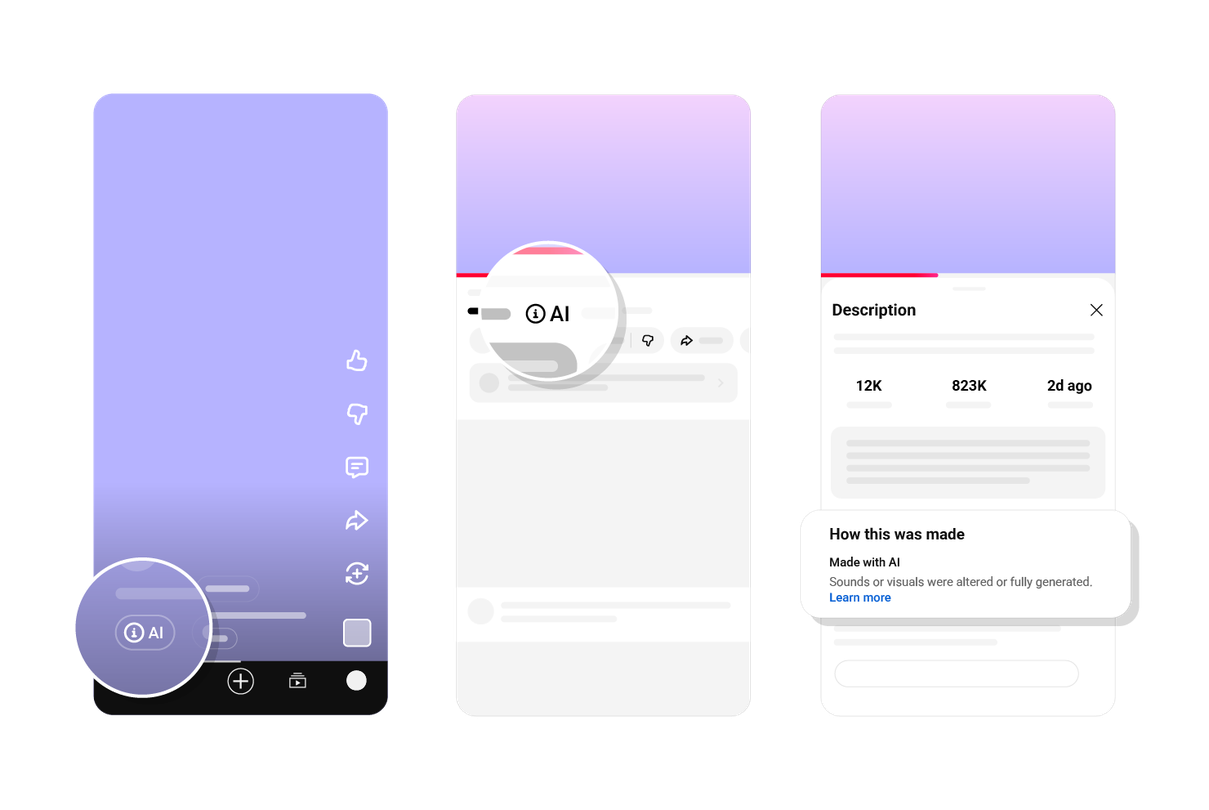
YouTube is making AI content labels more prominent and adding automatic detection starting May 2026. For long-form videos, the label moves below the video player above the description; for Shorts, it appears as an overlay. If creators don't disclose AI use but YouTube's systems detect significant photorealistic AI content, a label will be applied automatically. Creators can dispute incorrect labels in YouTube Studio, though labels are permanent for content made with YouTube's own tools like Veo or Dream Screen.
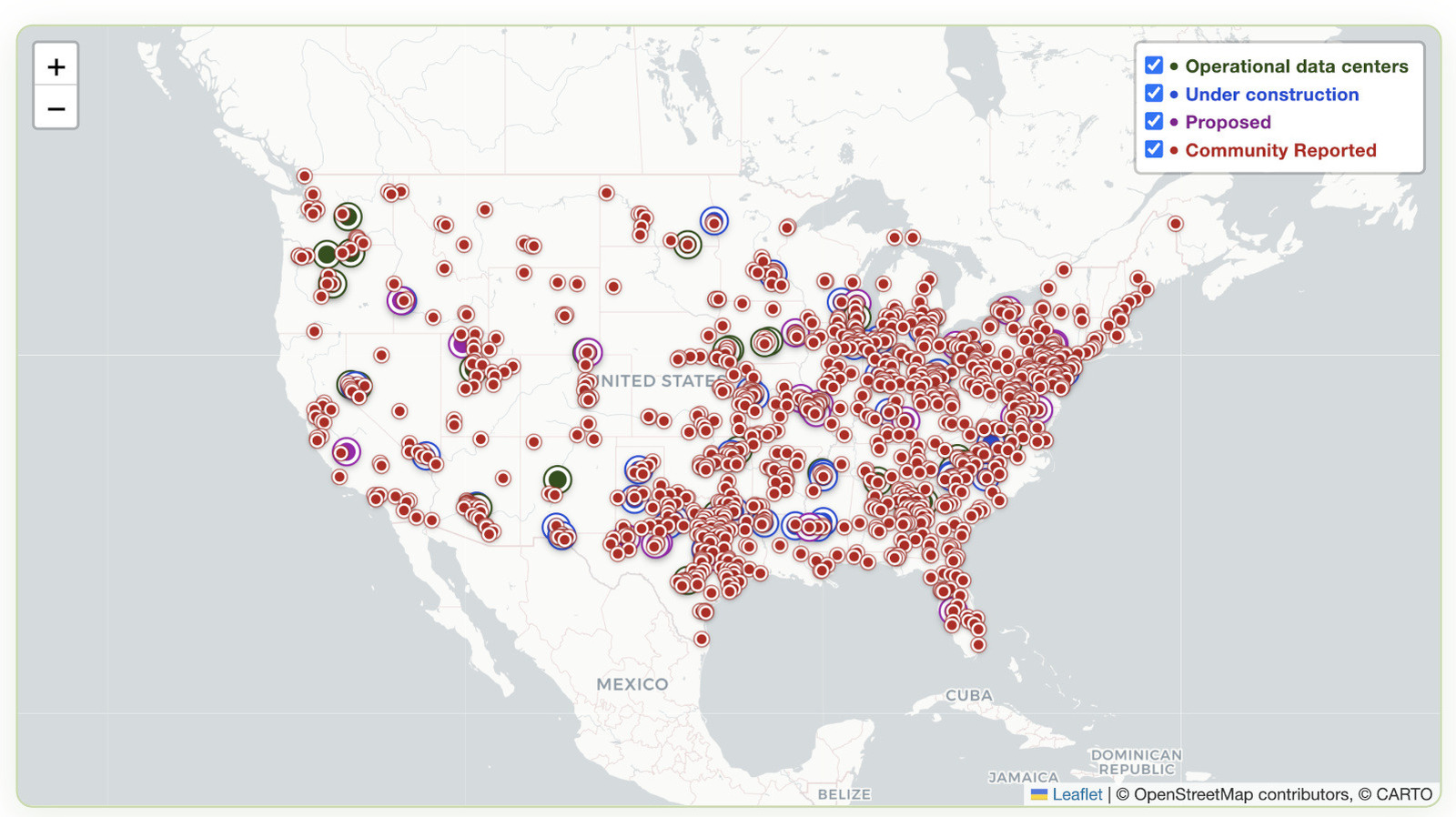
Erin Brockovich, the environmental activist portrayed by Julia Roberts, has launched the Brockovich AI Data Center Reporting website, a crowdsourced map tracking operational and proposed AI data centers across the US. The site has received 2,716 reports, with the most coming from Texas, including 297 from Sulfur Springs, where MSB Global plans a gigawatt facility across 1,600 acres. Community concerns center on water usage, electricity costs, and health impacts from air and noise pollution.

The New York Times Tech Guild, representing around 700 tech employees, has filed grievances and unfair labor practice charges against the Times, alleging management violated their collective bargaining agreement by using two AI tools to monitor worker performance. The tools, DX, an engineering productivity tracker, and Glean, an internal knowledge search tool, have reportedly been used in disciplinary proceedings. The Times Guild, representing 1,500 editorial staff, also filed charges over the company's refusal to share information about its AI plans.

Anthropic held its Code w/ Claude London event on May 26, 2026, announcing two new Claude Managed Agents capabilities on the Claude Platform. Self-hosted sandboxes, now in public beta, let enterprises run agent tool execution on their own infrastructure or via providers like Cloudflare, Daytona, Modal, or Vercel, keeping files within their security perimeter. MCP tunnels, in research preview, allow agents to reach private Model Context Protocol servers without public internet exposure. Teams including Amplitude, Clay, and Rogo are already building on these features.
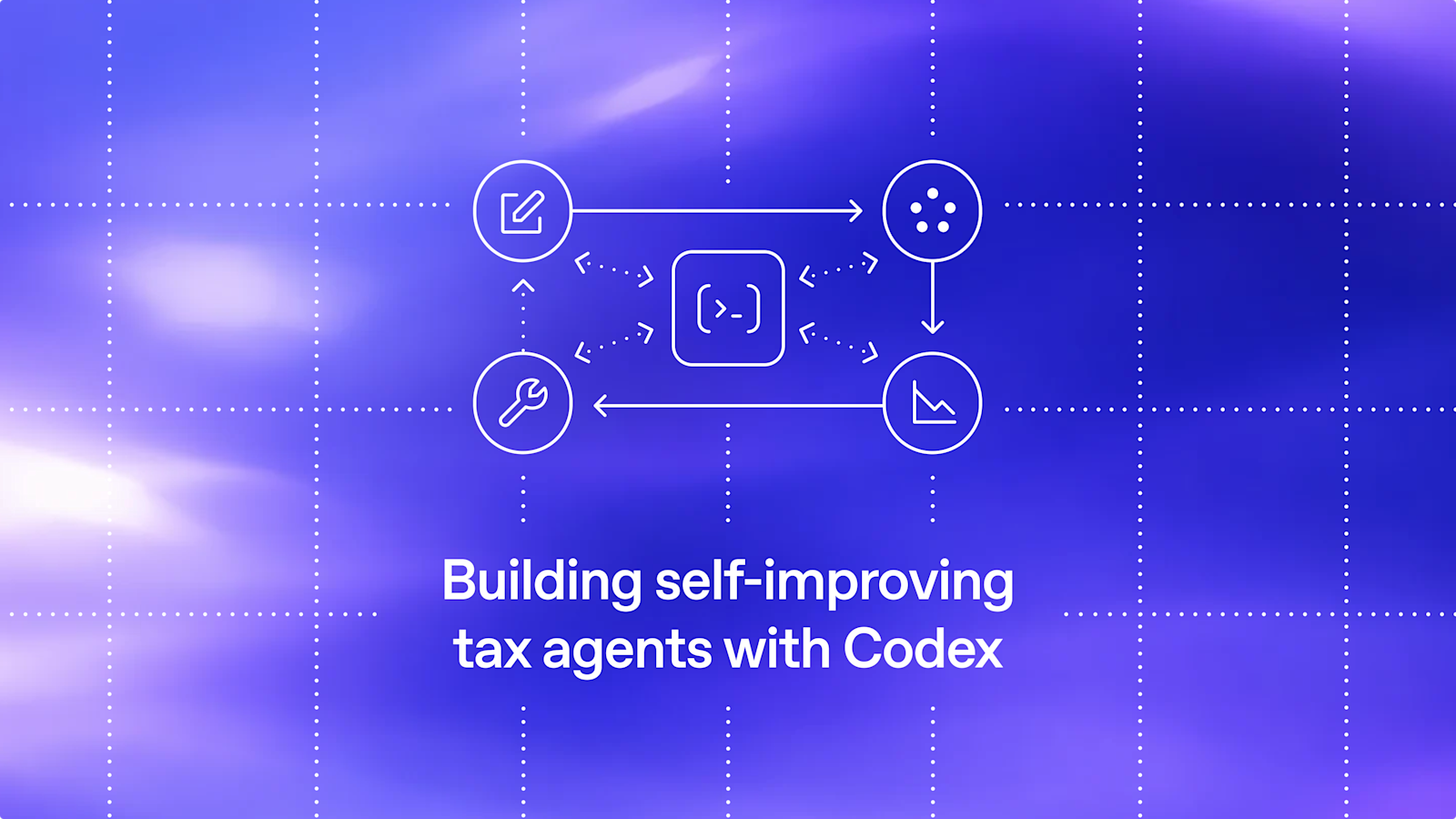
OpenAI and Thrive Holdings co-developed Tax AI using Codex for Crete's network of 30+ accounting firms, processing 7,000 tax returns this season. The system automates 1040 and 1041 preparation, saving practitioners about a third of their time and boosting throughput by 50%. A self-improving loop converts practitioner corrections into structured evals that Codex investigates and fixes autonomously. At launch, only 25% of returns hit 75% accuracy; within six weeks, 86% reached that threshold.

Runway has launched an MCP (Model Context Protocol) integration that connects its AI image and video generation tools directly into platforms like Claude, ChatGPT, Cursor, and Replit. Users can now generate polished images and videos using models including Runway's Gen-4.5, Seedance 2.0, GPT Images 2.0, and Kling without leaving their existing workflows. The move allows developers and creators to access state-of-the-art generative media models from within the tools they already use.
Tuesday, May 26, 2026

Microsoft's MAI Superintelligence Team has launched MAI-Image-2.5, a text-to-image model that debuted at number three on the Arena leaderboard. The model delivers significant improvements over its predecessor MAI-Image-2, including sharper text rendering, stronger stylized illustration, and better commercial and branding imagery. It also demonstrates improved visual reasoning across lighting, scale, and spatial relationships, helping turn simple directions into polished images. MAI-Image-2.5 is available now on Arena, with the MAI Playground and Azure Foundry access expected within two weeks.

Figure has signed a commercial agreement with Catalyst Brands, the operator of JCPenney, Aéropostale, and Brooks Brothers, to deploy humanoid robots at scale. The partnership will begin with an initial deployment in Reno, Nevada. Figure, founded by Brett Adcock, continues to expand its commercial robotics footprint as demand for humanoid automation in retail and logistics grows. This deal marks another step toward large-scale real-world deployment of Figure's humanoid robot platform.

Universal Music Group and TikTok have renewed their global licensing agreement, committing to remove unauthorized AI-generated music from the platform and improve artist and songwriter attribution. The deal marks a significant shift after tensions peaked in 2024, when UMG temporarily pulled its entire music catalog from TikTok over concerns about AI music and copyright violations. The agreement could serve as a template for how other platforms handle AI-generated content as regulators in the EU and U.S. tighten oversight.

ElevenLabs has launched Music v2, an updated AI music generation model featuring improved vocals, instrumentation, and arrangement across every genre. The release also brings enhanced multilingual support and new capabilities described as previously impossible with the prior version. The upgrade represents a significant step forward for AI-generated music quality and accessibility across languages, expanding the creative possibilities available to users of the ElevenLabs platform.
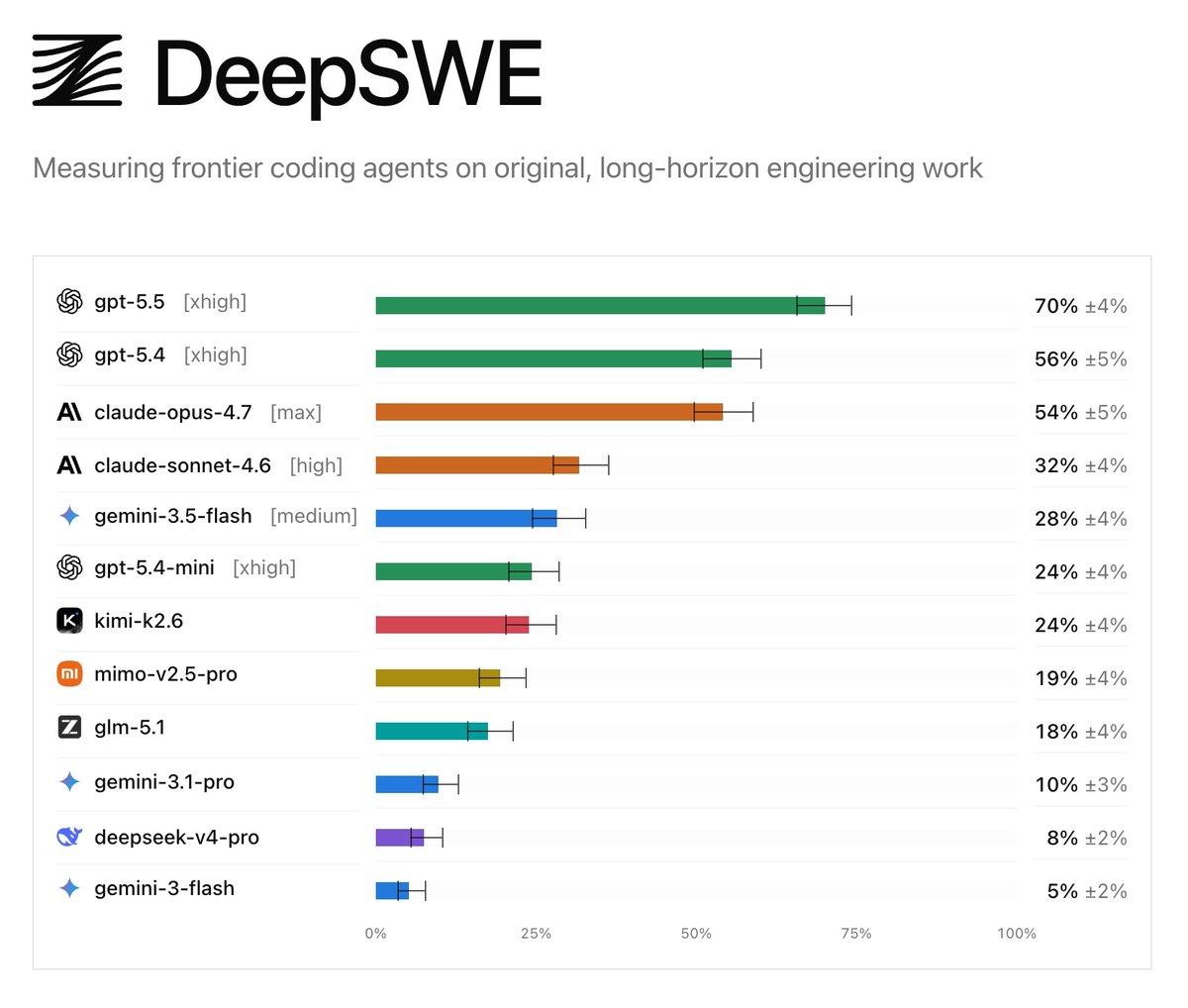
Datacurve has released DeepSWE, a new benchmark designed to evaluate agentic coding models more accurately than existing public leaderboards. While top models often appear closely matched in capability on standard benchmarks, DeepSWE aims to reveal where they actually diverge by reflecting the realistic day-to-day experience of developers. The benchmark sets a new standard for assessing agentic coding performance in practical, real-world conditions.
Monday, May 25, 2026

OpenAI CEO Sam Altman said at a Commonwealth Bank of Australia conference in Sydney that AI is unlikely to cause a global jobs apocalypse, admitting he was wrong about near-term economic impacts. Altman said he expected more entry-level white-collar jobs to have been eliminated by now but acknowledged a persistent human element in many roles limits AI's reach. He noted that even his own experiment using AI to reply to Slack and email messages made him reconsider full automation.

xAI has launched Grok Build in beta for all SuperGrok and X Premium+ subscribers. The new tool includes Plan Mode for structured task planning, an Imagine feature for generating images and videos, and a CLI for building automations and orchestrators. Users can access Grok Build at build.grok.com. The release expands xAI's developer and creative tooling, giving paying users on both subscription tiers access to agentic and multimedia capabilities.

Anthropic co-founder Dario Amodei joined Pope Francis at the Vatican to unveil Magnifica Humanitas, the first official Catholic teaching on artificial intelligence. The two-hour ceremony marked a significant moment in religious institutions engaging with AI ethics and governance. The document represents the Catholic Church's formal position on AI development and its implications for humanity, signaling growing interest from major global institutions in shaping moral frameworks around emerging AI technologies.
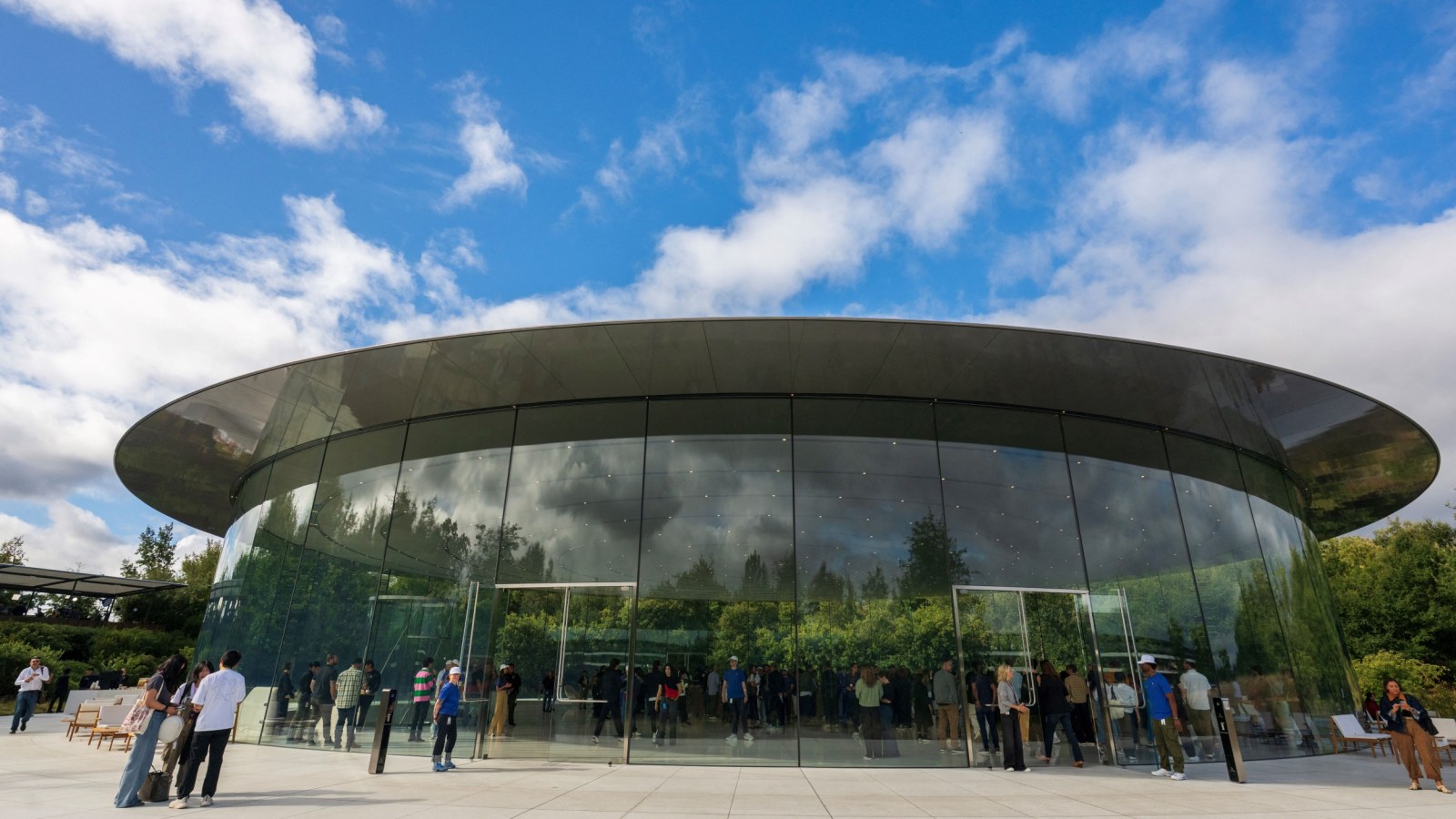
Apple registered the subdomain genai.apple.com two weeks before WWDC 2026 opens June 8, signaling new generative AI infrastructure. iOS 27 is expected to debut a rebuilt Siri powered by Google Gemini running on Apple's Private Cloud Compute, with personal context awareness, on-screen understanding, and a new Search or Ask gesture tied to the Dynamic Island. Apple also settled a $250 million class action lawsuit alleging it falsely advertised Siri capabilities on iPhone 15 Pro and iPhone 16 devices.

OpenAI has announced its first media partnership in Brazil, teaming with Grupo Folha and Grupo UOL to bring journalism from Folha de S.Paulo and UOL into ChatGPT. The deal gives more than 900 million weekly active ChatGPT users access to summaries with attribution and links to original sources. Brazil has over 50 million monthly active ChatGPT users exchanging around 140 million messages daily. Both publishers will also gain access to Codex, ChatGPT Enterprise, and the API to develop new products.
Anthropic co-founder Chris Olah spoke at the Vatican on May 25, 2026, at the presentation of Pope Leo XIV's AI encyclical "Magnifica humanitas: On safeguarding the human person in the time of artificial Intelligence." Olah acknowledged that frontier AI labs, including Anthropic, face commercial and geopolitical pressures that can conflict with doing the right thing, and called for outside moral voices. He highlighted three key concerns: AI's impact on the global poor, human flourishing, and the mysterious internal states researchers find inside AI models.
Friday, May 22, 2026
Anthropic's Project Glasswing, using its Claude Mythos Preview model, has found over 10,000 high- or critical-severity vulnerabilities across critical software in just one month, working with roughly 50 partners. Cloudflare alone found 2,000 bugs with a false positive rate better than human testers. Mozilla found 271 vulnerabilities in Firefox 150, ten times more than with Claude Opus 4.6. Anthropic also scanned 1,000+ open-source projects, finding 6,202 high- or critical-severity flaws, though patching remains the key bottleneck.

Microsoft has launched an AI-guided image search experience on Bing, available now for U.S. users on desktop and mobile web with no sign-in required. Accessed via a New Version toggle in the Images section, the opt-in feature replaces traditional grid results with AI-organized categories, labeled sections, and short summaries explaining each group. The update aims to reduce visual overload and help users move from browsing to deciding faster, with cited sources included. Microsoft plans to expand the feature to additional markets soon.
Perplexity has open-sourced Bumblebee, a read-only security scanner built to protect developer machines from supply-chain threats. Used internally to secure systems behind Perplexity, Comet, and Computer, Bumblebee scans for risky packages, editor extensions, browser extensions, and AI agent configs like MCP. It supports three profiles: baseline, project, and deep. Crucially, it never invokes package managers or runs install scripts, preventing scanners from triggering the attacks they detect. Available as an open-source Go project for macOS and Linux.

Microsoft is rolling out Office app updates next week that let users move the floating Copilot button out of documents and back to the ribbon. The button, which appeared in Word, Excel, and PowerPoint, angered many Excel users because it obstructs cells and couldn't be fully disabled. Users can right-click the "Dynamic Action Button" to reposition it. Partner group product manager Katie Kivett acknowledged user frustration, and the change follows Microsoft removing Copilot buttons from Windows 11 apps last month.

Waymo has suspended freeway driving across all US markets due to concerns about construction zones, while also pausing service in Atlanta and San Antonio over flooded road issues. The moves follow a software recall after robotaxis were caught driving through flooded Texas roads at elevated speeds. Freeway trips were previously available in San Francisco, Los Angeles, Phoenix, and Miami. The Alphabet-owned company currently handles about 500,000 rides per week and is targeting 1 million paid rides weekly.
Leonardo AI has integrated 3D object generation directly into its platform, allowing creators to go from 2D concept images to production-ready 3D models without switching tools. Users generate an initial image, create multiple reference views using the 3D Reference View Creator blueprint, then export models as .glb files compatible with rigging, game engines, and 3D printers. The feature supports quad and triangle mesh types, PBR and shaded materials, and targets use cases including indie game development, e-commerce visualization, and physical fabrication.

Ideogram has launched an MCP (Model Context Protocol) integration that turns AI assistants like Claude and ChatGPT into design agents. The tool allows users to generate images, create designs, and train custom models directly within chat interfaces, without switching to a separate app. Beyond Claude and ChatGPT, Ideogram MCP is also compatible with Cursor, Hermes, and other platforms, streamlining AI-powered design workflows inside existing tools.

Watch Matt Wolfe's latest YouTube video where he breaks down all of the most important AI news from the past week.
OpenAI has been named a Leader in the 2026 Gartner Magic Quadrant for Enterprise AI Coding Agents, recognizing its Codex platform used by over 4 million people weekly and enterprise clients including Cisco, Datadog, Dell Technologies, and NVIDIA. Gartner highlighted Codex's strengths in agentic development, enterprise governance, sandboxing, and flexible deployment. Recent upgrades include GPT-5.5 integration, HIPAA compliance, and mobile support. Cisco used Codex to build its AI Defense security platform, cutting delivery time from several quarters to weeks.
Thursday, May 21, 2026

Spotify and Universal Music Group have signed landmark licensing agreements enabling a new generative AI tool that lets fans create covers and remixes of songs from participating artists. Launching as a paid add-on for Spotify Premium users, the tool is built around consent, credit, and compensation, giving artists and songwriters a direct share of revenue generated. Spotify Co-CEO Alex Norström and UMG Chairman Sir Lucian Grainge both emphasized the artist-centric, responsible AI approach driving the initiative.

Spotify announced Personal Podcasts at its 2026 Investor Day, a new feature letting Premium users generate short, private AI-audio episodes using text prompts, PDFs, or links. Drawing on world knowledge and each user's Spotify taste profile, the tool can create daily briefings, topic deep dives, or weekly roundups. It rolls out to U.S. Premium users next month with monthly credits included. Spotify also launched an interactive Q&A feature for podcasts, now live for Premium mobile users in the U.S., Sweden, and Ireland.

Spotify has partnered with Universal Music Group to let Premium subscribers create AI-generated covers and remixes of licensed songs, with participating artists receiving a revenue share. The tool will launch as a paid add-on, though pricing and a release date were not disclosed. Spotify co-CEO Alex Norström emphasized consent, credit, and compensation as core principles. The deal contrasts with rivals like Suno and Udio, which faced major label lawsuits, including Suno settling a $500 million suit with Warner Music Group.

OpenAI has released Appshots, a new feature in Codex for Mac, designed to capture app context and make it easier to integrate Codex into everyday Mac workflows. The feature was announced by Ari Weinstein, who described it as enabling seamless integration of Codex across Mac applications. Appshots allows Codex to understand what a user is doing on their Mac, broadening how the AI coding tool can be applied across different tasks and apps.

Runway has launched Aleph 2.0, a video editing tool now available in its new Edit Studio on the web. The update allows users to edit a single frame, preview the change, and then have Aleph 2.0 automatically propagate that edit consistently across the entire video clip. This eliminates the tedious process of applying manual frame-by-frame adjustments, streamlining workflows for video creators who need cohesive, consistent edits applied quickly across full clips.
Anthropic has launched 28 new security and compliance integrations for Claude, powered by the new Claude Compliance API. The API gives enterprise IT and security teams programmatic access to conversation content from Claude Enterprise — including chats, files, and projects — and activity events across Claude Enterprise and the Claude Platform. Partners include Cloudflare, CrowdStrike, Microsoft Purview, Okta, Palo Alto Networks, Datadog, and Zscaler, spanning DLP, SIEM, eDiscovery, identity, and AI security posture management categories.
Cursor CEO Michael Truell has announced a limited-time promotion doubling usage limits for new users invited to the platform's Teams plan. The offer applies to any new users brought onto an existing Cursor Teams plan over the next 30 days, with those invitees receiving double the standard usage allocation throughout their entire first month. Current Teams plan members can take advantage of the deal by inviting colleagues during the promotional window.

Krea has launched LoRAs for Krea 2 in beta, introducing its most powerful fine-tuning system to date. The new feature lets users train the Krea 2 image model on their own specific style, object, or character with high precision. This gives creators significantly deeper control over generated outputs compared to previous tools, making Krea 2 a more flexible and consistent option for personalized image generation workflows and creative projects.
Free subscriber bonus
Get the AI Income Database, free when you join
38+ real ways people are making side-hustle money with AI right now. Each one comes with the playbook and the exact tools to pull it off. No fluff and no course to buy. It's the bonus every new subscriber gets on day one.
- 38+ proven AI side-hustles, from first dollar to scale
- The exact tools for each one, picked from the 4,500+ we track
- Updated as new opportunities appear (subscribers hear first)
Joins the twice-weekly AI briefing read by 250,000+ people. Free forever, unsubscribe anytime.